

 Unter
Unter Ein Jahr nach CrowdStrike: Wie ein 78-minütiger Ausfall die Cybersicherheit von Unternehmen veränderte
Die Folgen eines Routine-Updates: Als die Cybersicherheit die Computer weltweit lahmlegte
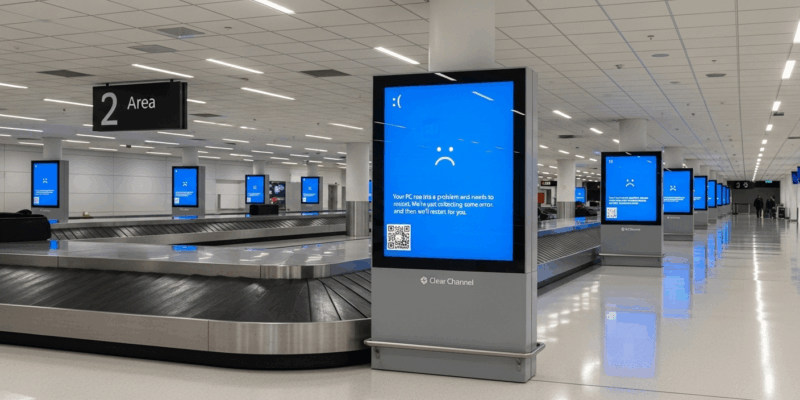
Für die meisten begann es wie ein ganz normaler Freitag: In den frühen Morgenstunden führten IT-Teams ein routinemäßiges Software-Update für CrowdStrike Falcon durch. Innerhalb weniger Minuten wurde aus dem Alltäglichen etwas Außergewöhnliches: Überall stürzten Windows-Computer ab und zeigten den gefürchteten „Blue Screen of Death“ an. Krankenhäuser, Flughäfen, Rettungsdienste, Einzelhändler und Banken – die kritische Infrastruktur des täglichen Lebens – kamen zum Stillstand. Insgesamt fielen weltweit etwa 8,5 Millionen Systeme aus; ihr Betrieb wurde durch einen einzigen Softwarefehler lahmgelegt, der bei einem Routine-Update durch die Maschen gerutscht war.
Das Chaos war sofort da, doch seine Auswirkungen hielten viel länger an. Hunderte von Flügen wurden gestrichen, Finanztransaktionen kamen zum Erliegen, Nachrichtenfeeds fielen aus, und Unternehmen suchten verzweifelt nach Antworten. Die Menschen fragten sich, ob die Welt Opfer eines Cyberangriffs geworden sei. Hinter den Kulissen war es jedoch ein Softwarefehler – eine Lücke in den Logikprüfungen des Updates und fehlende Kompatibilitätstests, verschärft durch die Vorgehensweise, das Update allen Nutzern gleichzeitig bereitzustellen.
Das Problem zu beheben war nicht so einfach wie ein Klick auf “Rückgängig”. Technische Teams, von denen viele unter Schlafmangel litten, arbeiteten rund um die Uhr und mussten oft physischen Zugriff auf jeden betroffenen Rechner erlangen, um die fehlerhafte Datei zurückzusetzen. An Standorten mit verschlüsselten Systemen oder Remote-Geräten dauerte die Wiederherstellung sogar noch länger. Zwar identifizierte CrowdStrike die Schwachstelle schnell und veröffentlichte innerhalb von etwas mehr als einer Stunde einen Patch, doch die vollständige Wiederherstellung des Betriebsbetriebs dauerte bei vielen Unternehmen Tage – bei einigen sogar noch länger.
Eine bittere Lektion wurde schnell deutlich: Sich auf zentralisierte, automatisierte Sicherheitslösungen ohne altbewährte Sicherheitsnetze zu verlassen, ist ein Risiko. Im Verlauf der Krise griffen Unternehmen wieder auf vergessene Werkzeuge und Strategien zurück. Plötzlich wurden schrittweise Einführungen zur Standardpraxis – keine “Big-Bang”-Implementierungen mehr auf allen Rechnern gleichzeitig. Manuelle Übersteuerungen, die einst als Relikt galten, kamen wieder in Mode, und IT-Teams forderten die Möglichkeit, bei künftigen Softwareproblemen eingreifen zu können. Zum ersten Mal seit Jahren lautete eine Frage in den Vorstandsetagen: “Können wir das manuell ausschalten?”.
Sich wieder aufrappeln – und Sicherheit neu überdenken
Für CrowdStrike und seine Kunden ging es bei der Wiederherstellung des Vertrauens nicht nur um eine einfache Entschuldigung. Die Katastrophe zwang zu einem grundlegenden Umdenken darüber, wie Unternehmen mit Softwareanbietern zusammenarbeiten. Unternehmen forderten nun mehr Transparenz hinsichtlich der Update-Richtlinien, Rollback-Pläne und Notfallverfahren. Sicherheitsanbieter mussten sich das Vertrauen nun nicht nur einmal, sondern immer wieder neu verdienen, indem sie nachwiesen, dass ihre Sicherheitsvorkehrungen funktionierten und dass sie über echte Notfallpläne verfügten.
Ein Jahr später hat sich die Landschaft der Cybersicherheit nachhaltig verändert. Die Abwehr von Angriffen ist nach wie vor von entscheidender Bedeutung, doch echte Sicherheit bedeutet heute auch, sich schnell anpassen und wiederherstellen zu können, wenn etwas schiefgeht – denn manchmal ist die Bedrohung nicht ein Hacker, sondern die Tools, die uns eigentlich schützen sollen. Resilienz, nicht nur Verteidigung, ist der neue Goldstandard.
Der Ausfall bei CrowdStrike hat nicht nur einen Tag lahmgelegt. Er hat die moderne Welt zum Stillstand gebracht – und uns dazu gezwungen, uns zu fragen, ob wir wirklich darauf vorbereitet sind, wenn unsere vertrauenswürdigsten Systeme – was unvermeidlich ist – einmal versagen. Die Branche mag sich weiterentwickelt haben, doch die Dinge werden nie wieder ganz so sein wie zuvor. Lesen Sie den Originalartikel bei VentureBeat.


