

 Unter
Unter Wissenschaftler nutzen AlphaFold zur Steigerung der Photosynthese und zur Entwicklung hitzeresistenter Pflanzen
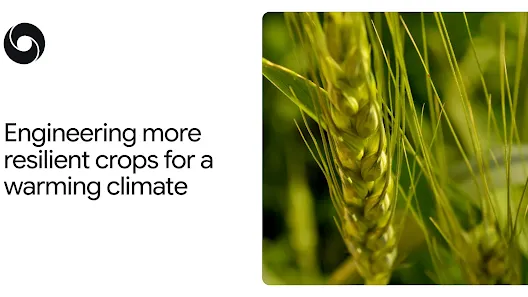
Einsatz von KI in der Landwirtschaft für klimaresistente Nutzpflanzen
Die steigenden globalen Temperaturen und sich verändernden Klimamuster stellen die Landwirtschaft vor neue Herausforderungen. Um dem entgegenzuwirken, setzen Wissenschaftler auf die Leistungsfähigkeit künstlicher Intelligenz, um unsere Nahrungsmittelversorgung für die Zukunft zu sichern. Einer der bemerkenswertesten Durchbrüche in diesem Bereich ist der Einsatz von DeepMinds „AlphaFold“. Dieses leistungsstarke Tool zur Vorhersage von Proteinstrukturen ermöglicht es Forschern, ein entscheidendes Enzym zu optimieren, das am Prozess der Photosynthese beteiligt ist. Das ultimative Ziel? Nun, es geht darum, Nutzpflanzen zu entwickeln, die den Temperaturen einer beunruhigend sich erwärmenden Welt trotzen können.
Lassen Sie uns etwas tiefer in diesen komplexen und doch faszinierenden Prozess eintauchen. Das Enzym, das hier im Mittelpunkt steht, heißt Rubisco und spielt eine Schlüsselrolle bei der Photosynthese – dem Prozess, durch den Pflanzen Sonnenlicht in Energie umwandeln können. Leider ist Rubisco nicht so effizient, wie wir es uns wünschen würden. Es verwechselt häufig Sauerstoff mit Kohlendioxid und löst dadurch eine verschwenderische Reaktion aus, die als Photorespiration bezeichnet wird. Diese Reaktion verschwendet Energie und wirkt sich negativ auf die Ernteerträge aus. Erschwerend kommt hinzu, dass dieses Enzym äußerst hitzeempfindlich ist. Angesichts des globalen Klimawandels wird es daher entscheidend, die Effizienz und Hitzebeständigkeit von Rubisco zu verbessern.
AlphaFold von DeepMind: Ein wichtiger Akteur in diesem Spiel
Genau hier kommt AlphaFold ins Spiel. Es spielt eine entscheidende Rolle bei der Vorhersage der 3D-Struktur von Proteinen, darunter auch Rubisco. Diese präzisen Vorhersagen ermöglichen es Forschern, die Struktur des Enzyms zu verstehen, seine Schwachstellen zu identifizieren und folglich robuste Varianten zu entwickeln, die den Herausforderungen durch Hitze und andere Stressbedingungen standhalten können. Dieses detaillierte Verständnis der Funktionsweise auf molekularer Ebene eröffnet große Möglichkeiten für Verbesserungen, insbesondere in Zeiten des Klimawandels.
Das Forschungsteam nutzte die Leistungsfähigkeit von AlphaFold, um sich auf die Rubisco-Aktivase zu konzentrieren, ein Protein, das die Funktion von Rubisco unterstützt und besonders hitzeempfindlich ist. Mithilfe der KI-generierten Modelle modifizierten die Wissenschaftler Varianten der Rubisco-Aktivase so, dass diese höheren Temperaturen standhalten, ohne ihre Funktionalität zu verlieren. Es wird erwartet, dass diese weiterentwickelten Proteine, sobald sie in Nutzpflanzen eingebracht sind, die Chancen der Pflanzen erhöhen, ihre Produktivität auch während Hitzewellen aufrechtzuerhalten.
Engagement für die weltweite Landwirtschaft
Die potenziellen Auswirkungen dieser Bemühungen auf die globale Landwirtschaft sind enorm. In einer Welt, in der der Klimawandel die Ernährungssicherheit bedroht, könnte die Entwicklung hitzetoleranter Nutzpflanzen die Erträge sichern und die weltweite Ernährung stützen. Die Verschmelzung von fortschrittlicher KI und Molekularbiologie in dieser Forschung stellt einen bedeutenden Schritt in Richtung einer klimaresilienten Landwirtschaft dar und deutet auf eine mögliche Lösung für eine der drängendsten Herausforderungen unserer Zeit hin. Es liegt noch ein langer Weg vor uns, doch der frühe Erfolg von AlphaFold bei der Förderung des Protein-Engineering erscheint äußerst vielversprechend. Je stärker wir KI-Werkzeuge in die Agrarwissenschaft integrieren, desto besser sind unsere Chancen, neue Strategien zu entdecken, um die Leistungsfähigkeit von Nutzpflanzen nicht nur gegenüber Hitze, sondern auch gegenüber vielfältigen ökologischen Herausforderungen zu stärken.
Wenn Sie mehr über diese bahnbrechende Forschung erfahren möchten, können Sie den Originalartikel von DeepMind lesen: Entwicklung widerstandsfähigerer Nutzpflanzen für ein sich erwärmendes Klima.


