

 Unter
Unter Generative KI in der realen Welt: Wie MechStyle 3D-gedruckte persönliche Gegenstände revolutioniert
Im Bereich der generativen KI hat es in letzter Zeit einige beeindruckende Entwicklungen gegeben. Während diese Technologie die digitale Kreativität, einschließlich der Erstellung von Bildern, Texten und Videos, erheblich verbessert hat, war ihr Einfluss auf die physische Welt bisher relativ begrenzt. Glücklicherweise beginnt sich dies zu ändern, vor allem dank einer Initiative des Computer Science and Artificial Intelligence Laboratory (CSAIL) am MIT, in Zusammenarbeit mit Google, Stability AI und der Northeastern University.
Die Anfänge der personalisierten 3D-Modellierung
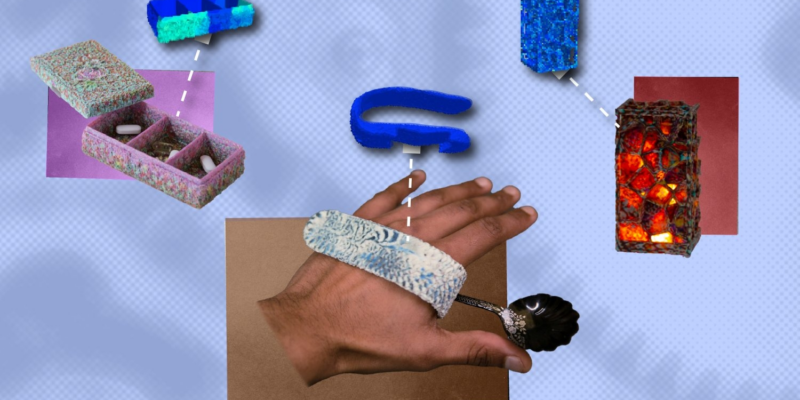
Faraz Faruqi, Doktorand am MIT, hat die Unzulänglichkeiten aktueller KI-Tools bei der Wahrung der physischen Integrität von 3D-Modellen erkannt und seine Arbeit darauf ausgerichtet, die Funktionalität dieser Modelle zu erhalten und gleichzeitig einzigartige, KI-generierte Designelemente einzubauen. Die Früchte seiner Forschung sind MechStyle, ein innovatives KI-System, das es den Nutzern ermöglicht, 3D-Modelle zu personalisieren. MechStyle stellt sicher, dass das Endprodukt nicht nur ästhetisch ansprechend, sondern auch langlebig und benutzbar ist, ganz gleich, ob Sie einen kaktusförmigen Wandhaken oder einen Lampenschirm mit Lavastruktur entwerfen möchten.
In praktischer Hinsicht ist MechStyle einfach zu bedienen. Die Benutzer können ihr eigenes 3D-Modell hochladen oder aus voreingestellten Objekten wie Vasen oder Brillen auswählen und dann die KI anweisen, das Objekt entweder mit einer Texteingabe oder einem Bild zu stylen. Die Genialität von MechStyle liegt in der Einbeziehung der Finite-Elemente-Analyse (FEA), die sicherstellt, dass Änderungen an der Form des Modells dessen strukturelle Integrität nicht beeinträchtigen.
Die perfekte Verbindung von Ästhetik und Funktionalität
Bisher waren nur 26% der KI-stylisierten 3D-Modelle tatsächlich für den Einsatz in der realen Welt geeignet. MechStyle löst dieses Problem effektiv, indem es generative KI mit adaptiver Simulationsplanung kombiniert. Auf diese Weise kann es Schwachstellen in einem Modell erkennen und verstärken und den Designprozess dynamisch anpassen. Die Tests erwiesen sich als vielversprechend: MechStyle konnte die strukturelle Lebensfähigkeit von bis zu 100% bei 30 verschiedenen Modellen erhalten.
MechStyle bietet zwei verschiedene Modi für die schnelle, kreative Erkundung und die strenge Strukturanalyse. Diese Vielseitigkeit ermöglicht es den Nutzern, ihre Ideen frei zu entwickeln, bevor sie sich für einen Entwurf entscheiden, der gründlich auf Festigkeit und Machbarkeit geprüft wurde.
Die Zukunft von MechStyle und generativer KI
Das Anwendungspotenzial von MechStyle ist beträchtlich und reicht von individuell gestalteter Wohnkultur bis hin zu Hilfsmitteln wie Fingerschienen. Es kann sich als enorm vorteilhaft für kleine Unternehmen oder Hobbyisten erweisen, die einen Prototyp erstellen und ihre Visionen zum Leben erwecken wollen. Es ist etwas Außergewöhnliches, ein einzigartiges, personalisiertes Objekt zu schaffen, ohne seine Funktionalität zu opfern. Aber wie jede andere Technologie hat auch MechStyle seine Grenzen, zumindest zum jetzigen Zeitpunkt. Zum Beispiel kann es keine strukturell fehlerhaften Modelle reparieren. Es wird jedoch ständig daran gearbeitet, das System zu verbessern und solche Einschränkungen zu überwinden.
“3D ist eine viel schwierigere Aufgabe, da es nur wenige Trainingsdaten gibt und eine Änderung der Objektgeometrie die Struktur des Objekts beeinträchtigen kann. MechStyle hilft dabei, dieses Problem zu lösen, indem es eine 3D-Stylisierung ermöglicht, ohne die strukturelle Integrität des Objekts durch Simulation zu zerstören”, sagt Fabian Manhardt, ein Forscher bei Google. Mit der Weiterentwicklung der generativen KI werden Tools wie MechStyle sicherlich eine immer größere Rolle dabei spielen, die Lücke zwischen digitaler Kreativität und der realen Welt zu schließen.


