

 Unter
Unter Erforschung der Zukunft der Mensch-Computer-Interaktion und Visualisierung
Erforschung der fortschreitenden Entwicklung der Interaktion zwischen Mensch und Maschine
Die Landschaft der Mensch-Computer-Interaktion (Human-Computer Interaction, HCI) erweitert sich ständig über bloße Tastaturen und Bildschirme hinaus. Jüngste technologische Innovationen gestalten unsere Interaktionen mit Computern in etwas Dynamischeres und Intuitiveres um. Dank Fortschritten wie der Verarbeitung natürlicher Sprache und immersiver Visualisierung sind moderne digitale Erlebnisse heute besser, menschengerechter und sinnvoller.
In dieser neuen Ära der Interaktion hat die Visualisierung einen entscheidenden Einfluss darauf, wie wir komplexe Daten verstehen und die Kluft zwischen Maschinen und uns überbrücken. Die heutigen Visualisierungstechniken bieten effektive Möglichkeiten zur Interaktion mit KI-Systemen und machen Daten durch interaktive Dashboards oder sogar immersive 3D-Umgebungen besser zugänglich. Indem sie Rohdaten in verwertbare Erkenntnisse umwandeln, unterstützen sie effektiv Entscheidungsprozesse und bieten Nutzererfahrungen, die früher als unmöglich galten.
Einsatz von AI in dynamischen Gesprächen und darüber hinaus
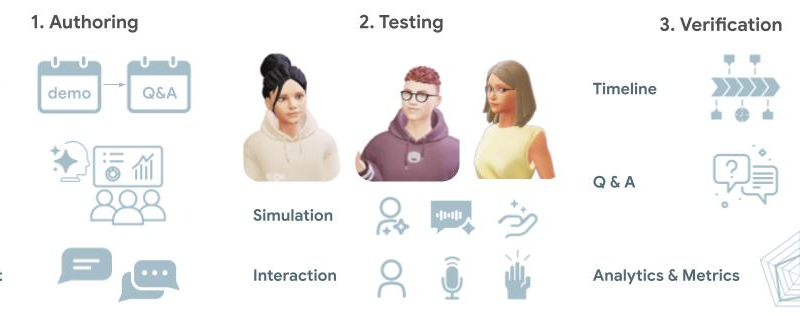
Das Potenzial der künstlichen Intelligenz bei der Simulation und dem Testen komplexer menschlicher Gruppengespräche hat sich zu einem spannenden Gebiet entwickelt, das die HCI auf eine neue Ebene hebt. Diese Gruppengespräche sind ein Wirbelsturm einzigartiger Perspektiven und Kommunikationsstile und unterscheiden sich deutlich von herkömmlichen Einzelgesprächen. Gegenwärtig zielen Forschungsarbeiten wie die von Google darauf ab, zu entschlüsseln, wie KI solche komplexen Szenarien verstehen, anpassen und einen sinnvollen Beitrag dazu leisten könnte. Durch das Simulieren und Testen verschiedener Gesprächssituationen ermitteln die Forscher potenzielle Herausforderungen wie die effiziente Handhabung von Gesprächen, das Verstehen kontextbezogener Nuancen oder das Erkennen emotionaler Signale. Das Endziel? Eine KI zu schaffen, die nicht nur als Assistent fungiert, sondern auch in der Lage ist, sich effektiv an einem Team zu beteiligen.
Fortschritte sind zwar wichtig, aber bei der Entwicklung ausgefeilterer Interaktionsmodelle muss der Barrierefreiheit und der Integration Vorrang eingeräumt werden. Eingliederung sollte kein Ermessensspielraum sein, sondern ein zentrales Merkmal jeder Mensch-Computer-Schnittstelle, die einer vielfältigen Nutzerbasis gerecht wird. Dies gilt auch für Menschen mit Behinderungen oder aus anderen Kulturkreisen. Anpassbare Funktionen wie Bildschirmlesegeräte oder alternative Eingabemethoden sollten fester Bestandteil jedes Visualisierungstools sein, um die ungleichen Zugangsmöglichkeiten für die Nutzer zu verbessern.
Auswirkungen und Zukunftspotenzial
Diese HCI-Innovationen sind jedoch nicht nur theoretisch, sondern haben auch pragmatische Auswirkungen auf verschiedene Bereiche. Im Gesundheitswesen zum Beispiel können visuelle Schnittstellen die Interpretation von Patientendaten durch die Ärzte beschleunigen. In der Bildungspraxis ist ein Aufwärtstrend bei interaktiven Plattformen zu beobachten, die das Lernen wesentlich interessanter machen. In der Wirtschaft kann eine auf KI basierende Visualisierung die strategische Planung verändern und verborgene, aber entscheidende Muster und Trends aufdecken.
Die zukünftige Landschaft der KI umfasst Systeme, die nicht nur intelligent sind, sondern auch intuitiv einfühlsam und reaktiv auf menschliche Bedürfnisse reagieren. Die strategische Integration von fortschrittlicher Visualisierung und gruppenbezogener KI hat das Potenzial, unsere Arbeit, unsere Kommunikation und unser Verständnis der Welt insgesamt zu revolutionieren. Da die wissenschaftliche Gemeinschaft die Grenzen der KI immer weiter verschiebt, werden wir mit Sicherheit Veränderungen erleben, die früher unvorstellbar waren.
Wenn Sie daran interessiert sind, tiefer in diese Forschung und ihre faszinierenden Entdeckungen einzutauchen, können Sie sich den Originalartikel von Google Research ansehen hier.


