

 Unter
Unter MIT startet kühne Forschungsinitiative zur Bekämpfung der antimikrobiellen Resistenz mit KI und synthetischer Biologie
Unter der Leitung von James J. Collins, Termeer-Professor für Medizintechnik und -wissenschaft am MIT, nimmt eine bahnbrechende Initiative Gestalt an. Dieses wegweisende Projekt verbindet synthetische Biologie mit generativer künstlicher Intelligenz (KI) in dem ehrgeizigen Bestreben, eine der dringlichsten Gesundheitskrisen unserer Zeit zu bekämpfen: die Antibiotikaresistenz (AMR). Dieses Vorhaben stellt eine Verschmelzung komplexer Disziplinen dar, die sich einer gewaltigen globalen Herausforderung stellen.
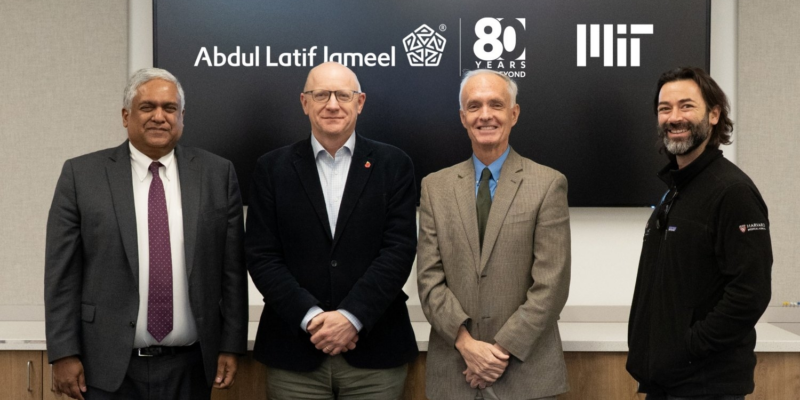
Die Initiative wird großzügig durch einen Zuschuss in Höhe von $3 Millionen unterstützt, der über einen Zeitraum von drei Jahren von Jameel Research, einem Teil des renommierten Abdul Latif Jameel International-Netzwerks, bereitgestellt wird. Das Projekt, das am MIT im Fachbereich für Biotechnik sowie am Institut für Medizintechnik und -wissenschaften angesiedelt ist, hat sich hohe Ziele gesetzt. Das Team strebt die Entwicklung und Validierung einer neuen Generation programmierbarer antibakterieller Wirkstoffe an, die sich durch ihre Präzision bei der gezielten Bekämpfung und Ausschaltung arzneimittelresistenter Krankheitserreger auszeichnen.
Die stille Pandemie der Antibiotikaresistenz bekämpfen
Die ungebremste Zunahme der Antibiotikaresistenzen ist unsere stille Pandemie, die durch den jahrelangen übermäßigen und unsachgemäßen Einsatz von Antibiotika noch verschlimmert wird. Da herkömmliche Behandlungsmethoden gegenüber hartnäckigen Infektionen an Wirksamkeit verlieren, werden zuvor leicht behandelbare Erkrankungen nun lebensbedrohlich. In Ländern mit niedrigem und mittlerem Einkommen ist die Lage besonders dramatisch, da dort begrenzte Diagnosemöglichkeiten eine wirksame und zeitnahe medizinische Versorgung erschweren.
Der Weg in eine Zukunft jenseits herkömmlicher Antibiotika
In einer radikalen Abkehr von der Abhängigkeit von herkömmlichen Antibiotika haben Collins und sein Team am MIT den Weg der Präzision und Anpassungsfähigkeit eingeschlagen. Mithilfe künstlicher Intelligenz versuchen sie, eine neue Klasse synthetischer Proteine zu entwickeln, die zwar winzig, aber hochwirksam sind und bestimmte bakterielle Funktionen stören. Diese speziellen Moleküle, die von gentechnisch veränderten Mikroben transportiert werden, sollen als eine Armee programmierbarer Waffen dienen, die Infektionen bekämpfen, ohne dabei die gesunden Bakterien in unserem Körper zu schädigen.
Über den Bereich bahnbrechender wissenschaftlicher Ideen hinaus betonte Collins das Engagement, diese Durchbrüche in greifbare, praktische Auswirkungen umzusetzen. Mohammed Abdul Latif Jameel (Jahrgang ’78), Vorsitzender von Abdul Latif Jameel, hob ebenfalls die entscheidende Bedeutung langfristiger Partnerschaften für die Bewältigung solch komplexer Gesundheitsprobleme hervor. Diese Ansichten verkörpern ein weltweites Engagement für die Förderung der gesundheitlichen Widerstandsfähigkeit und die Neugestaltung unserer Strategien im Umgang mit bakteriellen Infektionen.
Blick in die Zukunft
Im Zuge dieser mutigen Initiative nimmt eine Zukunft Gestalt an, in der wir bakterielle Infektionen mithilfe von KI und synthetischer Biologie bekämpfen. Mit der Entwicklung neuer medizinischer Strategien und Instrumente leiten die MIT-Forscher nicht nur bahnbrechende Fortschritte in der modernen Gesundheitsversorgung ein, sondern ebnen auch den Weg für nachhaltige und wirksame Ansätze zur Bewältigung globaler gesundheitlicher Herausforderungen.
Erhalten Sie weitere Einblicke in diese bahnbrechende Initiative hier.


