

 Unter
Unter Humble AI: Ein neuer Ansatz zur Verbesserung der medizinischen Diagnostik
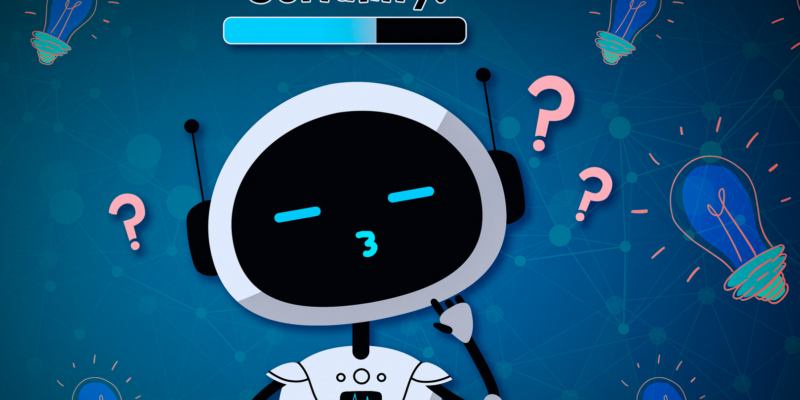
Stellen Sie sich vor, künstliche Intelligenz (KI) wäre nicht nur unglaublich intelligent, sondern auch “bescheiden”? Das ist gar nicht so abwegig, wie es klingt. KI revolutioniert das Gesundheitswesen und bietet das Potenzial für bahnbrechende Neuerungen bei der Patientendiagnostik und bei personalisierten Behandlungen. Doch es gibt einen Haken. Laut einem internationalen Wissenschaftlerteam unter der Leitung des MIT könnten aktuelle KI-Systeme Ärzte in die Irre führen, da sie dazu neigen, übermäßig selbstbewusste, wenn auch falsche Entscheidungen zu treffen.
Um diese Risiken zu bewältigen, empfehlen die Forscher, KI-Systeme mit einer Eigenschaft zu programmieren, die normalerweise Menschen vorbehalten ist – Bescheidenheit. Damit meinen sie, dass diese KI-Systeme so programmiert werden sollten, dass sie erkennen, wenn sie bei ihren Diagnosevorschlägen oder Empfehlungen nicht sicher sind. Dies würde die Nutzer dazu veranlassen, bei auftretender Unsicherheit zusätzliche Informationen einzuholen.
“Derzeit nutzen wir KI als Orakel, aber wir könnten KI auch als Coach einsetzen. Wir könnten KI als echten Copiloten nutzen. Das würde nicht nur unsere Fähigkeit verbessern, Informationen abzurufen, sondern auch unsere Handlungsfähigkeit stärken, Zusammenhänge herzustellen”, sagt Leo Anthony Celi, leitender Wissenschaftler am Institut für Medizintechnik und -wissenschaften des MIT. Er plädiert für einen Rahmen, in dem KI Neugier und Bescheidenheit an den Tag legt und so eine Partnerschaft zwischen Ärzten und KI-Systemen fördert.
Die potenzielle Gefahr durch übermäßig selbstbewusste KI-Systeme kann gar nicht hoch genug eingeschätzt werden. Sie können zu medizinischen Fehlern führen, insbesondere wenn Intensivmediziner sich auf eine als zuverlässig wahrgenommene KI verlassen, selbst wenn diese ihrer eigenen Intuition widerspricht. Um dem entgegenzuwirken, geht es darum, der KI menschliche Werte zu vermitteln. Sebastián Andrés Cajas Ordoñez, der die im BMJ Health and Care Informatics veröffentlichte Studie leitete, erklärt: “Wir versuchen, Menschen in diese Mensch-KI-Systeme einzubeziehen und sie dazu anzuregen, gemeinsam zu reflektieren und neue Denkansätze zu entwickeln, anstatt isolierte KI-Agenten alles erledigen zu lassen.”
Teil dieser Zusammenarbeit ist der „Epistemic Virtue Score“, ein vom Team entwickeltes Berechnungsmodul, das sicherstellt, dass KI-Modelle bei der Erstellung diagnostischer Vorhersagen ihre Gewissheit bewerten. Das bedeutet, dass ein KI-System zwar Antworten liefern würde, aber auch eine Warnung ausgeben würde, wenn es dies für notwendig erachtet.
Ein weiterer wichtiger Schwerpunkt ist die Vielfalt in der KI-Entwicklung. Das Risiko von Verzerrungen und Ausgrenzungen durch KI-Modelle, die auf bestimmten Datensätzen trainiert wurden, wird dabei nicht außer Acht gelassen. Mit seiner Arbeit zielt das globale Konsortium darauf ab, mehr Sichtweisen einzubeziehen, bestehende Datensätze zu hinterfragen und alle relevanten Einflussfaktoren zu erfassen.
“Wir bringen sie dazu, den Datensatz zu hinterfragen. Sind sie von ihren Trainings- und Validierungsdaten überzeugt? Glauben sie, dass Patienten – unbeabsichtigt oder absichtlich – ausgeschlossen wurden, und wie würde sich das auf das Modell selbst auswirken?” fragt Celi. “Wir müssen bei der Entwicklung von KI bewusster und durchdachter vorgehen, nicht nur im Gesundheitswesen, sondern in allen Bereichen.”
Wenn Sie neugierig geworden sind und die Möglichkeiten der KI-Automatisierung für Ihr Unternehmen erkunden möchten, ist dies ein guter Ausgangspunkt: implementi.ai. Wenn Sie sich eingehender mit diesem erstaunlichen Sprung in die Zukunft befassen möchten, können Sie die Originalartikel hier.


