

 Unter
Unter Der Aufstieg der generativen KI: Technologie und menschliche Kreativität im Wandel
A Closer Look at Generative AI and Its Impact
Imagine a world where inventive and engaging content is no longer solely the brainchild of human creators, but can be produced by artificial intelligence. This isn’t a figment of a science fiction novel, it’s the reality of generative AI, a sophisticated form of artificial intelligence. Instead of merely sifting through existing data, this revolutionary technology is designed to generate fresh content. From text and images to code and video, generative AI uses machine learning models and powerful tools like transformer architectures to recognize patterns in large datasets and create new, original output that mirrors human creativity.
This concept, once firmly rooted in the realm of science fiction, has now integrated itself into our everyday lives. Practical applications of generative AI have emerged at a fast-paced rate, transforming industries like marketing, software development, and entertainment in its wake. For instance, tools such as ChatGPT, Midjourney, and DALL·E empower users to generate premium text and visuals with minimal prompts. The working landscape in these sectors has been revolutionized, with workflows being accelerated, costs being diminished, and a host of fresh avenues for innovation being unlocked.
In the world of content creation, for example, writers are leveraging AI to brainstorm ideas or construct rudimentary drafts. Similarly, designers have the power to generate multiple visual concepts in a snap, while developers are utilizing code-generating tools to accelerate programming processes and automate repetitious functions.
Generative AI in Healthcare and Ethical Challenges
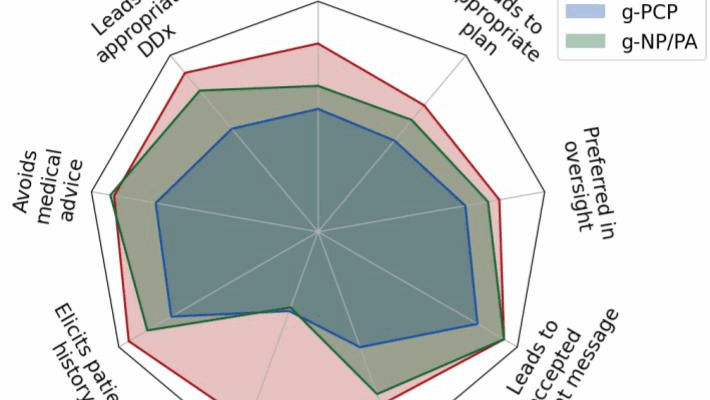
The healthcare sector represents one of the most promising arenas for generative AI to flex its transformative muscle. A recent initiative by Google Research demonstrates how AI can significantly bolster physician support via tools such as AMIE (Articulate Medical Intelligence Explorer). This impressive system is engineered to act as a valuable ally for doctors, generating insightful summaries, clear explanations, and useful recommendations extracted directly from patient data. You’re invited to delve deeper into Google’s work on AMIE and the importance of physician-focused oversight hier.
But as we champion the rapid advancements of generative AI, let’s not obscure the ethical concerns it raises. Aspects like data privacy, the spread of misinformation, intellectual property, and algorithmic bias warrant serious discussion. The mounting power of these models also opens doors for potential misconduct. The onus is on us to ensure transparency, accountability, and fairness as we increasingly absorb generative AI into various strata of society.
The Future Landscape of Generative AI
While the road ahead for generative AI promises to be thrilling yet intricate, its continual evolution will undoubtedly alter the way we perceive creativity, human-machine collaboration, and labor. The true challenge lies in constructing systems that reinforce human potential instead of supplanting it, creating tools that enhance our capabilities while honoring our values.
The advent of generative AI signifies more than just a technological breakthrough, it heralds a significant cultural shift. Successfully navigating this fresh terrain will call for astute leadership, cross-disciplinary collaboration, and a staunch commitment to ethical innovation.


