

 Przez
Przez Szkolenie z etycznej sztucznej inteligencji: Jak Oxylabs na nowo definiuje zgodę w erze sztucznej inteligencji
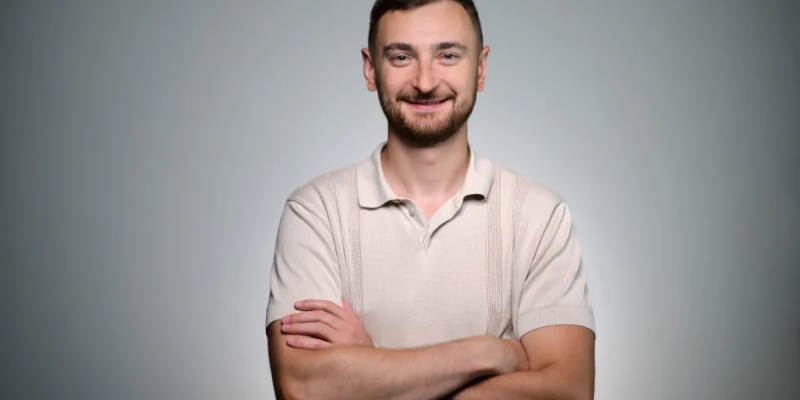
Wystarczy zagłębić się w tętniący życiem świat technologii na Litwie, a z pewnością natkniesz się na Denasa Grybauskasa z Oxylabs. Jako dyrektor ds. ładu korporacyjnego i strategii w firmie nie unika trudnych tematów — wręcz przeciwnie, inicjuje dyskusje na temat etycznych granic sztucznej inteligencji w czasie, gdy niewielu innych chce zmierzyć się z tym zagadnieniem.
Siłą napędową Grybauskasa jest zaangażowanie na rzecz odpowiedzialnego postępu. Jest on głęboko przekonany, że innowacje w dziedzinie sztucznej inteligencji nie powinny pomijać kwestii odpowiedzialności. “Etyczne praktyki są głęboko zakorzenione w sposobie naszego działania” – wyjaśnia Grybauskas. “Niezależnie od tego, czy chodzi o zapewnienie, że nasze sieci proxy wyznaczają nowy standard etyczny, czy też o zagwarantowanie, że dane szkoleniowe dla sztucznej inteligencji są pozyskiwane w sposób odpowiedzialny – nasze podejście zawsze opiera się na uczciwości”.”
Od momentu powstania w 2015 roku firma Oxylabs zyskała renomę dzięki pionierskim projektom. Firma szczyci się jedną z największych na świecie sieci serwerów proxy pozyskanych w sposób etyczny, obejmującą 195 krajów i liczącą łącznie ponad 177 milionów unikalnych adresów IP. Ich najnowsze osiągnięcie idzie o krok dalej: firma Oxylabs wprowadziła coś, co określa jako pierwsze na świecie zbiory danych z serwisu YouTube przeznaczone do szkolenia sztucznej inteligencji, oparte w całości na zgodzie twórców. Każdy zbiór danych – od samych filmów po powiązane transkrypcje i metadane – jest udostępniany wyłącznie za wyraźną zgodą każdego twórcy treści. Jak powiedział Grybauskas: ’Nie ograniczamy się tylko do gromadzenia danych. Budujemy mosty między twórcami treści a podmiotami napędzającymi innowacje, zawsze kierując się wzajemnym szacunkiem“.”
Jest przekonany, że koncepcja danych opartych na zgodzie może zostać rozwinięta znacznie dalej. Grybauskas wyobraża sobie przyszłość, w której wszystko – od muzyki, przez literaturę, po sztukę cyfrową – będzie systematycznie, w prosty i sprawiedliwy sposób licencjonowane do wykorzystania w sztucznej inteligencji, tworząc ekosystem, z którego wszyscy czerpią korzyści, a rozszerzanie skali działalności nie wiąże się z rezygnacją z zasad.
Jednak urzeczywistnienie tego wymaga ciągłego poszukiwania równowagi. Znalezienie kompromisu między tym, co jest sprawiedliwe dla twórców, a tempem rozwoju sztucznej inteligencji, nie jest łatwym zadaniem. Grybauskas wskazuje na toczące się debaty, zwłaszcza w Wielkiej Brytanii, podkreślając, dlaczego ochrona praw twórców ma kluczowe znaczenie. “Tak, innowacje są niezbędne” – mówi – “ale nie kosztem twórców. Zasługują oni na poczucie bezpieczeństwa, a nie na to, by ich wykorzystywano. Regulacje muszą nadążać za zmianami i chronić tę równowagę”.”
Jedną z często powtarzających się krytycznych uwag jest to, że uzyskiwanie zgody może spowolnić postęp. Grybauskas zdecydowanie się z tym nie zgadza. “Nie postrzegamy innowacji i etyki jako wzajemnie wykluczających się kwestii. Udowodniliśmy, że możliwe jest stworzenie inteligentnej, skalowalnej infrastruktury, dzięki której uzyskanie zgody jest proste, a nie stanowi przeszkody. Nasze zbiory danych są przykładem na to, że solidna technologia może wspierać obie strony”.”
Oczywiście przekraczanie granic wiąże się z pewnymi technicznymi wyzwaniami. Grybauskas przyznaje, że uporządkowanie ogromnych ilości bardzo zróżnicowanych danych w sposób umożliwiający ich wykorzystanie nie było dla Oxylabs łatwym zadaniem. Jednak dzięki wieloletniemu doświadczeniu i solidnej bazie wiedzy technicznej zespołowi udało się to osiągnąć.
Dla Grybauskasa podejście etyczne to nie tylko postępowanie zgodnie z zasadami — to także sposób na zapewnienie większej spójności w zakresie niejednolitych przepisów dotyczących sztucznej inteligencji obowiązujących w różnych krajach. Uproszczenie procedur uzyskiwania i przestrzegania zgody mogłoby wyznaczyć globalny standard, dzięki czemu najlepsze praktyki etyczne stałyby się normą, a nie wyjątkiem.
Z równą pasją opowiada się za potrzebą otwartości. Grybauskas uważa, że przejrzystość w kwestii sposobu szkolenia sztucznej inteligencji nie stanowi słabości — jest to podstawa do odbudowy zaufania, co z kolei toruje drogę do długoterminowej akceptacji i sukcesu sztucznej inteligencji. Przekonanie to znajduje odzwierciedlenie w takich inicjatywach jak ’Ethical Web Data Collection Initiative” firmy Oxylabs oraz „Project 4β”, które skupiają się na ustalaniu – a nie tylko przestrzeganiu – nowych zasad gry.
Jaka jest jego ostatnia rada dla osób wkraczających w branżę sztucznej inteligencji? Nie traktujcie kwestii etycznych związanych z danymi jako przeszkody. Grybauskas jest wręcz przekonany, że szybko staje się to przewagą konkurencyjną dla tych, którzy są gotowi to zaakceptować.
Aby dowiedzieć się więcej o tym, jak firma Oxylabs wdraża te rozwiązania w praktyce, w tym przeczytać pełny wywiad z Denasem Grybauskasem, zapraszamy do zapoznania się z oryginalnym artykułem pod adresem Unite.AI.


