

 Przez
Przez Odkrywanie przyszłości badań genetycznych poprzez generatywną sztuczną inteligencję
How Generative AI is Transforming the Field of Genetics
Artificial intelligence is quickly redefining what’s possible in genetic research. We’re seeing a new wave of AI-driven discoveries, thanks to advanced models now able to wade through mountains of complex genetic information. These models aren’t just speeding things up—they’re unleashing fresh ways to see connections between our genes, our health, and the diseases that affect us.
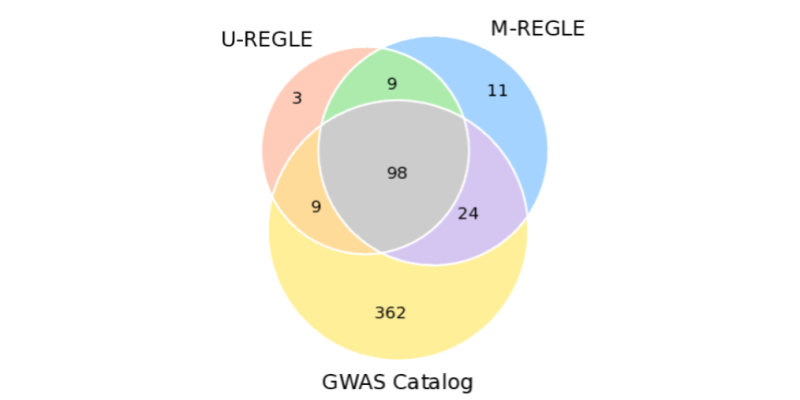
Consider the breakthrough from Google Research—a system called M-REGLE. This sophisticated AI model isn’t just looking at genetic sequences alone; it weaves together a tapestry of data streams, from medical records to wearable device readings. The result? Scientists are starting to see a much fuller and more interconnected picture of how our genes actually work and influence everything from heart health to rare disease risk.
The Dawn of Multimodal AI in Genetic Research
What sets multimodal AI models like M-REGLE apart is their knack for mixing and matching many different kinds of data at once. Imagine overlaying genetic code with clinical records, lab test results, and even real-time measurements from smartwatches. Suddenly, those obscure patterns in our health data—once almost invisible—become clear. By combining diverse information, the model can more easily spotlight subtle genetic variants linked to specific conditions.
This approach is paving the way for truly personalized medicine. With the ability to pinpoint genetic markers unique to an individual, doctors could soon tailor treatments with unprecedented precision. That also means we may soon unravel the genetic foundation for rare diseases and complex interactions between our genes and the environment—territory that was largely uncharted before these AI tools came along.
Innovation’s Edge: Challenges and Responsibility
No leap forward is without its hurdles. As generative AI becomes a bigger part of genetic research, pressing questions naturally arise about privacy, algorithm bias, and the risk of misuse. The community is aware: transparency, trust, and careful stewardship will be key. The moment calls for a balance—capturing the promise of AI while vigorously upholding the highest standards for ethics and fairness.
In the grand scheme of things, models like M-REGLE aren’t just advancing genetics. They’re laying the groundwork for a revolution across biomedical science. With each new insight, we edge closer to understanding who we are at the most fundamental level—and how we might harness that knowledge to make medicine truly personal. The journey’s only just begun.
For the original deep-dive, visit Google Research: Unlocking Rich Genetic Insights Through Multimodal AI with M2RGen.


