

 Przez
Przez Przegląd sztucznej inteligencji influencerów: Ta sztuczna inteligencja zastępuje influencerów
Almost everyone agrees these days: we’re more likely to trust a product recommendation from someone we follow online than from a glossy ad. But what if that influencer isn’t even real—at least, not in the way we usually understand it?
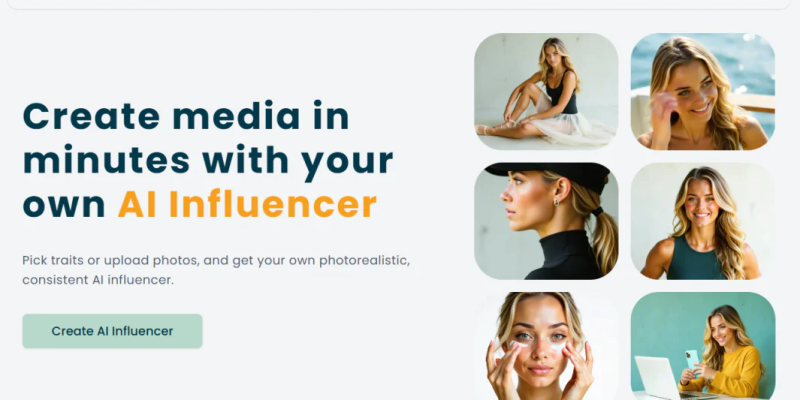
AI influencers are stepping into the spotlight, and they’re doing a lot more than just posing as digital mannequins. With platforms like The Influencer AI, any brand can craft a hyper-realistic digital persona that speaks, moves, and promotes just about anything, any time, in nearly any language. These aren’t your pixelated avatars of yesteryear. We’re talking fully customized, photoreal characters that—frankly—can be hard to distinguish from their human counterparts.
Curiosity got the better of me, so I took The Influencer AI for a spin. I started from scratch, gave my digital creation the name Jade, tinkered with a few settings, and hit “generate.” Just like that, Jade appeared—stunningly lifelike and ready for the camera. I could tell her to wear a black baseball cap, or to smile and turn her head in a short video, and the results were eerily convincing. Lip-syncing, facial expressions, subtle gestures—it’s all there. If you’re used to “deepfake” weirdness or uncanny valley vibes, this feels like a leap forward.
The tool impressed me most with its blend of convenience and versatility. In just minutes, I could churn out an endless stream of branded photos and videos, complete with natural-sounding voiceovers, and all for under $100 a month. There’s no labyrinth of legal restrictions, and the content is yours to use as you please.
Who is this for? If you run an online shop and want crystal-clear, consistent product images, it’s a gamechanger. Small companies can skip the juggling act (and big price tags) that come with traditional influencer deals. Marketing teams can test fresh ad concepts in minutes. Even creators who want to experiment with multiple digital personas might find this tools fits effortlessly into their workflow.
Of course, nothing is perfect. While the visuals and outputs are top notch, the real magic still happens when you provide thoughtful, creative direction. The results can look flat or generic if you just go through the motions. And as advanced as these AI characters are, they can’t (yet) replicate the genuine emotional resonance of a passionate human creator. One thing I’d urge brands to keep in mind: always clarify to your audience that your influencer is virtual. Transparency matters—especially as these avatars get ever more sophisticated.
If you’re on the fence, there are other options worth checking out. Generated Photos offers a rapid-fire way to find customizable AI faces, Glambase lets you explore the business side of AI influencers, and Personal AI is focused less on marketing glitz and more on productivity boosts.
Speaking solely as a hands-on tester, I was amazed at how quickly and easily top-tier content could be generated—and without needing a team of photographers or actors on standby. If your brand, agency, or creator collective is looking to scale influencer marketing affordably and at speed, I’d recommend at least taking The Influencer AI for a 7-day test drive. Just remember: use this technology responsibly, be upfront with your audience, and you might just find your next digital brand ambassador isn’t a person at all.
Ever tried working with a virtual influencer, or curious about what’s next in this space? I’d love to hear your take—let’s chat below. For the original story that inspired this review, you’ll find it tutaj.


