

 Przez
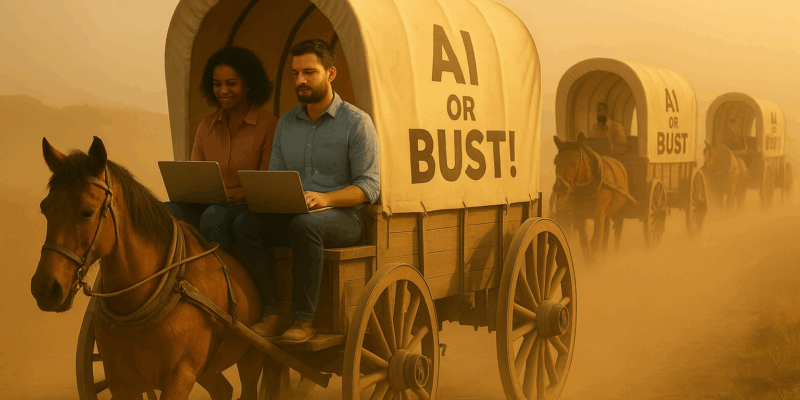
Przez Nierówne tempo postępu: Dlaczego wielu pracowników niechętnie przyłącza się do migracji AI?
The age of artificial intelligence (AI) is not a figment of some future dreamscape. It’s already here and its presence is being felt across various sectors and industries. AI tools and systems are seriously transforming how we work, altering workflow processes and shifting paradigms. However, despite this radical shift, not all professionals are moving at the same speed or even moving at all; there’s a palpable resistance to adopt AI among certain groups.
For many people, the swift advances in AI technology is an intimidating proposition. People from different professions, not just those in power-intensive industries, have fears and apprehensions regarding AI. At the core of this anxiety is the fear of job redundancy and the mounting pressure and struggle to stay relevant with ever-changing skill demands. This fear spans across diverse industry sectors from customer service to creative industries with very few roles unaffected.
The resistance to AI is often misunderstood and misinterpreted as an irrational fear of technology. Yet, it’s far from that. Most of these concerns are grounded in practicality and genuine worry. For example, professionals who have spent a considerable part of their lives mastering a skill worry about AI’s potential to underappreciate their expertise. There’s also a prevalent concern that although AI might step up efficiency, it could undermine qualities like human judgment, ethics, and empathy which machines are incapable of mimicking.
One major factor contributing to this chasm is the unequal access to resources that enable the transition to an AI-infused future. Initiatives for upskilling, AI literacy, and online courses typically favor individuals already working in tech-related fields or residing in metropolitan areas. Sadly, people in rural areas, elderly professionals, and people in low-income communities often miss out on these opportunities, not out of reluctance but a sheer lack of accessibility.
The AI revolution is not just changing the way we work. For many of us, work is much more than mere livelihood—it’s our identity, it contributes to our sense of community, and often offers a profound sense of purpose. And when AI threatens to uproot and revolutionize that, it is hardly surprising that people hesitate. The challenges posed by AI are not only technological in nature but also deeply rooted in human psychology.
To bridge this divide, it is essential for corporate entities and policymakers to do more than just invent. There’s a need to listen, understand and empathize. This involves creating accessible, affordable and empathetic pathways for transition. It also includes addressing the worries and challenges faced by those who are lagging in this AI journey, while designing strategies to bring them aboard, instead of casting them aside.
To know more about this emerging subject, read the full article on [VentureBeat.](https://venturebeat.com/ai/when-progress-doesnt-feel-like-home-why-many-are-hesitant-to-join-the-ai-migration/)


