

 By
By Can Robots Really Boost ROI in Warehouses and Factories?
“
Unveiling the Complexity of Warehouse Automation
As the march of technology continues, robots are becoming a rising topic of discussion in business quarters. Can these mechanical marvels really match the capabilities of a human workforce? Many, including tech moguls like Bill Gates, believe they justify the hype with their seemingly endless potential. And sure enough, businesses are investing more and more in robotic automation to keep costs low and productivity high. But is it all as clear-cut as it sounds? Truth be told, the situation is much more intricate.
Balancing the Benefits and Challenges of Automation
There’s no denying the allure of robots for operations, especially in industries like logistics and manufacturing. The very thought of a workforce not requiring rest, devoid of wage demands, and capable of consistent performance around-the-clock is extremely appealing. Such capabilities could solve labor shortages and meet the pressure of same-day deliveries. Yet, the idea that, once purchased, robots function seamlessly with no further investment is a bit of a pipe dream. These automated systems come with a host of hidden costs and operational challenges which make a significant dent in the expected return on investment (ROI).
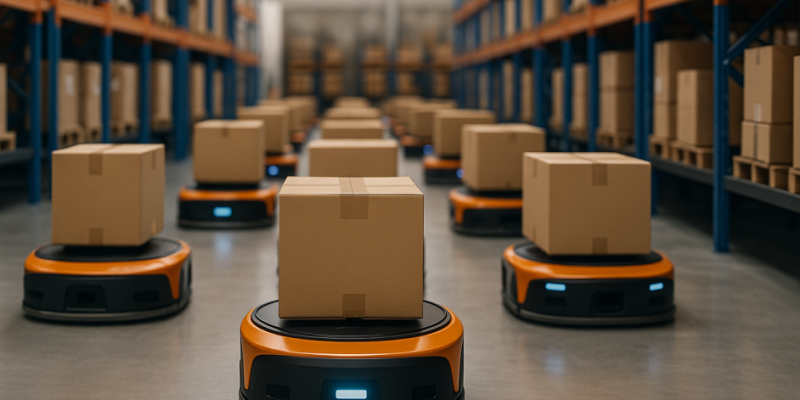
Firstly, like all machinery, robots need power to operate. The charging downtime can eat up around a fifth of a robot’s work hours. Include the unexpected maintenance and software fixes, and our mechanical friends could be sitting idle for a considerable amount of time. This inactivity directly chips away at productivity levels and must be factored into any ROI calculations. And, let’s not forget, robots often work side by side with their human counterparts. Thus, even a slight glitch in delivery or communication can send ripples across the whole operation causing delays.
Firms try to mitigate these downtime issues by investing in backup robots. Some even expand their robot fleet by a hefty 35%. However, this solution in itself brings along more maintenance, battery replacements, and the need for upgrades in servers and software to effectively handle this expanded workforce. Contrary to what you might think, idle robots can still undergo wear and tear from issues like oil degradation, accumulation of dust on sensors, and battery draining. These costs, often overlooked, should be added to initial ROI estimations.
There’s also the all-important question of space. Robots need charging stations which can take around 10 square feet per charger. In sprawling rural warehouses, it might be okay to lose this space, but in areas where square footage comes at a premium, every inch counts. The precious space could otherwise be utilized for everyday tasks, such as storing inventory or moving goods, leading to wastage and increased transportation needs.
But even with all these challenges, there’s no stopping automation. Companies are still investing heavily, pushed by labor shortages and growing consumer demands. Therefore, the focus must now shift from merely adopting automation to managing its hidden costs smartly. Technologies like AI-driven systems are stepping up, offering solutions to reduce traffic jams and optimize robot coordination. Innovations in charging solutions could also potentially lessen downtime and the need for more backup units.
Conclusion: Embracing Automation, Prepared for Reality
The bottom line? Robots could indeed transform warehouses and factories but attaining a solid ROI doesn’t come automatically. A successful evolution to robotic automation hinges on comprehensive understanding and management of all related costs. By striking a balance between costs and benefits and with careful planning, automation can power a significant leap in growth. However, businesses must tread carefully, ready to adapt and invest appropriately to unlock true efficiency with automation.
Read the original article on Unite.AI
“


