

 By
By MIT Symposium Highlights Bold Research in Ethical Computing
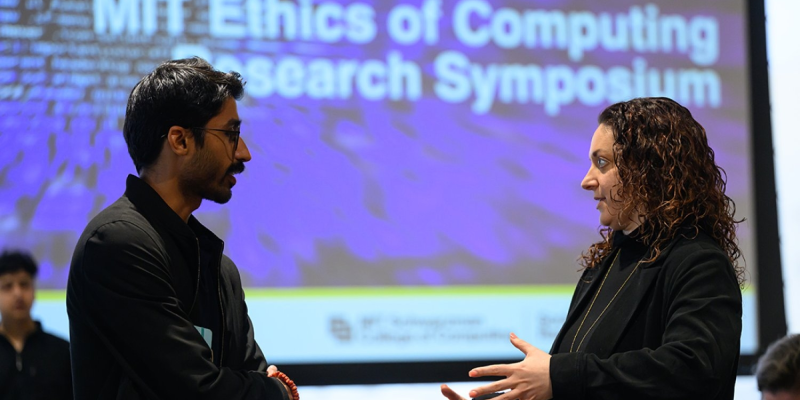
The recent MIT Ethics of Computing Research Symposium was more than your usual academic event—it felt alive, buzzing with the boldness of a TED conference and the careful rigor you’d expect from MIT. Inside, you’d find researchers bringing their biggest ideas to the table, all chasing a common goal: changing how technology, ethics, and society work together for the better.
This year, 15 projects landed seed funding thanks to the Social and Ethical Responsibilities of Computing (SERC) initiative—a pretty significant push from the MIT Schwarzman College of Computing. The competition was intense: nearly 70 teams of researchers presented proposals, all hoping to secure support. Winning teams received up to $100,000 apiece after their projects were evaluated by a cross-campus committee representing every MIT school. The aim? Identify research that could have real, lasting impact—not just inside academia, but in the world at large.
According to Nikos Trichakis, co-associate dean at SERC, this initiative isn’t just about research for research’s sake. It’s about driving progress where computing, ethics, and society overlap. The challenge set for these grant recipients was clear: take creative risks, address big questions, and think well beyond technical innovation to the deep ethical challenges facing technology today.
Professor Caspar Hare, also co-associate dean of SERC, pointed to another layer that makes this initiative different: the sense of collective judgment from the MIT community. There’s a palpable excitement in seeing faculty and students alike rally around the idea that, yes, researchers have a responsibility not only to create new tech but to think hard about what it means for society.
The full-day symposium unfolded around four themes: responsible healthcare technology, AI governance and ethics, technology in society and civic life, and digital inclusion with an eye toward justice. What made the event even more lively were the candid talks on algorithmic bias, protecting data privacy, and the messy, intriguing relationships forming between humans and intelligent machines. Faculty, students—even those just starting out as SERC Scholars—shared the stage and candidly explained both the promise and pitfalls they saw in their work.
Among the crowd-pleasers was Dimitris Bertsimas, who showed off an algorithm that could allocate kidney transplants in seconds (as opposed to the several hours it typically takes now). Seeing computation directly translate into saved lives made the audience pause—and cheer.
On another front, Adam Berinsky and Gabrielle Péloquin-Skulski led a fascinating study into AI-generated content on social media, probing whether labeling such content changes how people perceive it. There was also Lily Tsai, discussing how generative AI might help or hinder online public debate, especially as society tries to balance equal participation with basic civility and safety online.
And then there’s “Liberatory AI”—a concept and public think tank started by Catherine D’Ignazio and Nikko Stevens. Their project shifts the conversation from technological possibility to technological justice, believing equity in AI won’t come from big tech alone, but from thoughtful, diverse communities shaping its direction from the ground up.
For those who didn’t get to attend—or want to catch up on the lively presentations—MIT has made the entire range of talks available on YouTube. It’s well worth a look, whether you’re deep in tech or just curious about how ethics and computing are being reimagined at one of the world’s top institutions.
Original article and full symposium coverage: https://news.mit.edu/2025/bringing-meaning-technology-deployment-0611


