

 By
By Exploring the Power and Potential of Generative AI
When it comes to breakthroughs in artificial intelligence, Generative AI is more than deserving of the spotlight. This cutting-edge technology refers to artificial intelligence models specifically designed to create new content, be it text, images, music, or even code. The magic behind generative AI lies in its machine learning models – those trained on vast datasets – which learn patterns and structures to craft novel outputs, often equalling human creators in style and quality.
So, how does this work? Well, contrary to traditional AI models that classify or predict based on existing data, generative models are all about creating new data instances. The key techniques employed here include Generative Adversarial Networks (GANs), Variational Autoencoders (VAEs), and Transformer-based architectures like GPT and BERT. Once trained, these models draw from the underlying distribution of the training data and create new and plausible content that mirrors the source material. Imagine a generative text model trained on a corpus of literature producing original prose that reflects the tone and structure of its source – that’s generative AI in action!
Let’s consider the real-world implications of this technology. We’re already seeing generative AI transforming a number of key industries. The entertainment industry, for instance, is utilizing generative AI for scripting dialogues, composing music, and designing video game environments. Marketing companies are leveraging this technology to create personalized advertising content at scale. Even the healthcare sector is benefiting from generative AI, with these models simulating molecular structures for drug discovery. Undeniably, it’s the versatility of generative AI that places it on the front line of technological transformation.
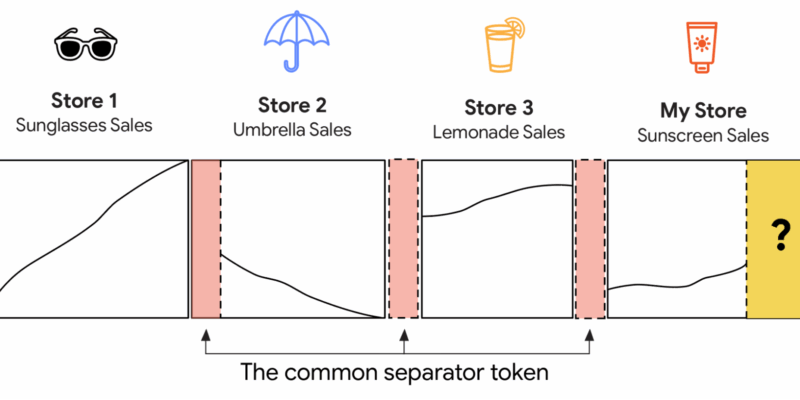
A particularly exciting development comes from time-series data modeling. Google Research has been shedding light on how these foundation models can work as few-shot learners, making them adaptable to a multitude of sectors, including finance and climate forecasting. You can learn more about this from their original article.
However, as with any rapidly evolving technology, generative AI brings with it a set of challenges and ethical considerations. A major concern lies in the potential for creating misleading or harmful content – think deepfakes or misinformation. Bias in models trained on skewed data sets is also a valid concern, as it can foster harmful stereotypes. That’s why the focus on ensuring ethical use and transparency in generative AI systems is gaining momentum among researchers and policymakers.
As we look ahead, generative AI is set to continue evolving, with new models becoming more efficient and capable. While it’s clear that the future of generative AI lies in its ability to produce content, what’s equally exciting is its potential to enhance human creativity, solve complex problems, and open up fresh ways of thinking. As research continues, we can anticipate even more sophisticated applications that harness both creativity and computational power – a thrilling prospect indeed!


