

 By
By Exploring the Future of Human-Computer Interaction and Visualization
Diving Into the Fascinating World of Human-Computer Interaction and Visualization
Human-Computer Interaction (HCI), as a multidisciplinary field, is all about optimization – making digital systems more intuitive, efficient, and user-friendly. It delves into the design and usage of computer technology, with a sharp focus on building meaningful interfaces between humans and computers. Regardless of how these interfaces have morphed over the years – from straightforward command-line interfaces to touch screens and voice assistants – HCI’s end game remains consistent: to craft a more seamless interaction between humans and technology.
A key player in achieving this seamless interaction is Visualization. By transmuting complex data into a visual context, Visualization fills in the cognitive gap between user intent and machine response. This applies to a vast array of modes, including intricate dashboards, illuminating graphs, or even state-of-the-art augmented reality. All these tools operate with the same motive – to aid users in better understanding and interacting with the presented information.
Enthralling Advances and Implications in Interactive Technology
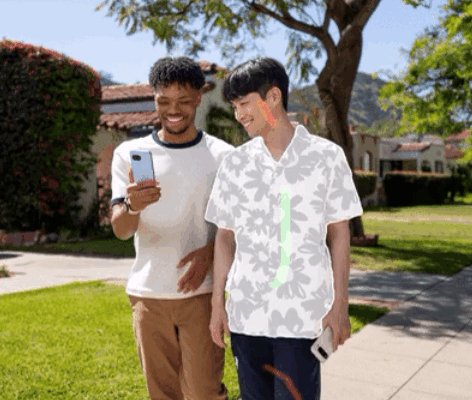
Where things start getting really interesting is the evolution of interactive technology itself. Take Google’s introduction of an interactive, on-device segmentation feature in its widely used photo editing app, Snapseed, for example. This key development has given users the privilege of interacting with image segments directly on their devices. In turn, it provides a more individualized and responsive editing experience.
What’s truly revolutionary about Snapseed’s segmentation feature is that it brings about real-time, interactive editing. This is made possible through machine learning models operating directly on mobile devices, allowing the app to identify and separate parts of an image without the need for cloud data transmission. While this naturally enhances user privacy, it simultaneously ramps up speed and responsiveness, providing a richer user experience.
Admittedly, on-device segmentation is more than just a cool feature. It symbolizes a giant stride in the field of HCI and demonstrates how smart systems can simplify users’ workload. As this technology continues to mature, anticipate a significant impact in myriad applications – from video editing to augmented reality, and far beyond.
A Glimpse into an Intelligent Digital Future
The intersection of HCI and Visualization is shaping transformative ways to engage with digital content. Tools such as Snapseed’s segmentation feature are equipping users with more control and creativity in their tech interactions. It’s evident that we’re at the cusp of a more immersive, intelligent digital future.
For a deeper dive into this fascinating development, check out Google’s official announcement here.


