

 By
By Forecasting the Future of Forests with AI: A New Era for Climate and Sustainability
Decoding the Significance of Forests in Upholding Climate Sustainability
When we think about the health of our planet, forests are indispensable. Almost like the earth’s lungs, they breathe in carbon dioxide, help regulate ecosystems, and serve as home to an array of species. Now, with climate change becoming an escalating concern, ensuring the survival of these green guardians is indeed an urgency. Tracking forest loss has long been a reactive process, often taking note of the damage after its effects are widespread. But now, tipping the scales, advancements in technology are molding the narrative to a more proactive approach.
Towards A Future-Oriented Approach Using Artificial Intelligence
At the forefront of this tech revolution for nature conservation is Google Research. Instead of solely chasing the aftermath of deforestation, they have taken a massive stride in using artificial intelligence to forecast future forest loss. This isn’t just a shift in methods—it’s an absolute game-changer for combating climate change.
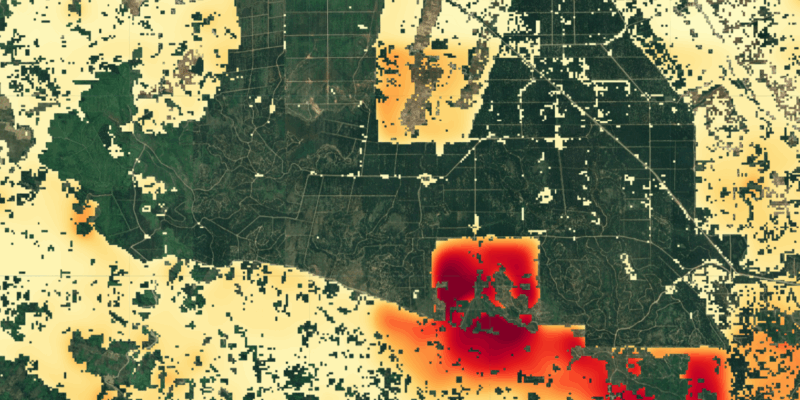
Just envision this: through analyzing satellite imagery and historical data, AI-driven models unravelling delicate patterns and predicting potential endangered zones of the forest. It’s not just about identifying the risk areas, but also about offering conservationists and policymakers a clear preemptive strategy to act before the damage becomes catastrophically irreversible.
Leveraging AI for Broader Environmental Strides
Compared to traditional satellite monitoring systems that are overwhelmed by data and its complexity, AI stands out with its proficiency in handling large datasets with swiftness and unerring accuracy. It’s not just about counting trees—it’s about reading the story of the earth. Google’s models incorporate data like topography, road networks, and past land use changes to craft precision forecasts for future deforestation hotspots.
And who benefits from this, you might ask? The ripple effect of this technology not only extends to governments and NGOs but also trickles down to local communities whose sustenance relies on forests. Early warnings could be the key to altering land management methods and even safeguarding critical ecosystems.
With this tech in place, a few regions in the Amazon and Southeast Asia have shown encouraging outcomes. Bold interventions, backed by AI forecasts, have managed to bring down deforestation rates in certain zones. As technology refines further, we might see AI models extending their capabilities to monitor biodiversity and conduct carbon stock assessments—other key elements in our fight against climate change.
The inclusion of AI in environmental efforts is a huge stride forward. It ensures that we’re no longer passively responding but actively staying a step ahead in our pursuit of ecological balance and sustainability.
AI on the Climate Frontlines: Moving Towards A Smarter Conservation Plan
Thinking about the bigger picture, AI for forest forecasting is more than just a technological breakthrough—it’s an essential weapon in our global battle against climate change. As we navigate our way into the future, breakthroughs like these offer a beacon of hope for more efficient and timely preservation efforts.
Curious to delve deeper into Google’s work in this arena? Catch all the details here: Forecasting the Future of Forests with AI.


