

 By
The Future of Mobile Systems: A Human Touch
Exploring the Intricacies of Mobile Systems
It’s undeniable that the rapid pace of the digital age has catapulted mobile systems into becoming essential aspects of our day-to-day existence. From our beloved smartphones to our cherished tablets, these remarkable devices are transforming the way we interact, conduct business, and seek entertainment. So, what are mobile systems, and how have they evolved over time?
Simply put, mobile systems encompass a blend of hardware and ingenious software, empowering our mobile devices to carry out an array of tasks. Their abilities range from basic communication processes to executing intricate applications that necessitate data processing and online connectivity. Thanks to the swift progression of technology, these systems have grown exponentially stronger, more efficient, and significantly versatile.
The Journey and Future of Mobile Systems
This evolution of mobile systems has been quite a thrilling ride, featuring many monumental moments. Initially, the primary use of mobile phones was just for voice calls. However, the emergence of smartphones flipped the script entirely. These innovative devices invited the internet into our pockets, enabling us instant access to an endless stream of information, connecting us to social media platforms, and introducing us to a world of apps designed to meet our every whim.
As we anticipate the full arrival of 5G technology, it’s clear to see that mobile systems are ready to soar even higher. The enhanced speed coupled with reduced latency presented by 5G networks will enable more smooth live streaming, even faster download speeds, and real-time data processing capabilities. This technological leap sets the stage for a new era of augmented reality (AR), virtual reality (VR), and the rapidly emerging Internet of Things (IoT). This integration will further engrain mobile systems into our habitual routines.
Addressing Privacy Concerns
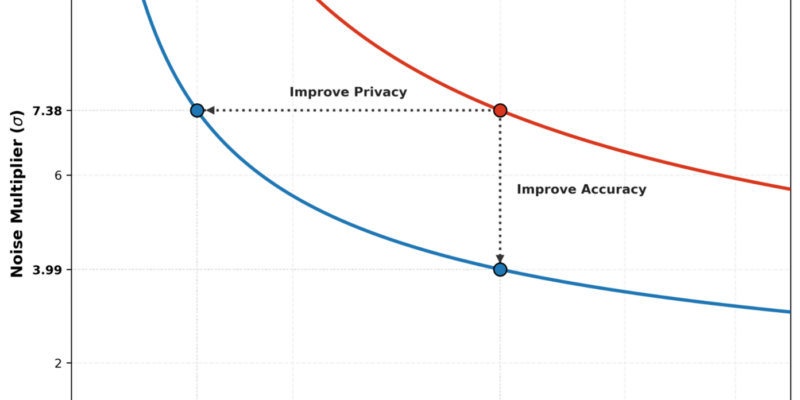
Just as the sophistication of mobile systems increases, so do concerns surrounding privacy and data security. The anxiety over how user data is gathered, stored, and utilized is steadily rising. To address these valid fears, companies are focusing their efforts on developing technologies that pledge to maintain data privacy and security. Google, for example, is pioneering the concept of federated learning. This promising methodology allows models to be trained across a number of devices without necessitating data transfer to a central server. This approach not only bolsters privacy but also minimizes the chances of data breaches. For additional insights on this intriguing topic, feel free to peruse the original news article.
As far as the horizon stretches, the future of mobile systems remains a brilliant landscape filled with unending advancements. With mobile systems continually integrating with our daily lives, businesses need to adjust their strategies to harness this technology’s untapped potential. Are you contemplating AI automation solutions for your company? Take note of Implementi.ai which offers the latest tech to enable you to tap into the versatility of AI and maintain your edge in the digital panorama.


