

 By
By A New Era in Art Restoration: How AI and Polymer Masks Are Transforming Conservation
Art restoration has always demanded more than just technical skill—it’s a test of patience, a keen eye, and respect for the artwork’s original narrative. Traditionally, dedicated conservators might spend months, sometimes even years, breathing life back into timeworn masterpieces. Every faded detail and missing patch is painstakingly reconstructed, one delicate brushstroke and meticulous color match at a time. But at MIT, a new method is promising to rewrite the rules and the pace of this process in remarkable ways.
A Digital Leap in Restoring the Past
Thanks to engineering ingenuity, we’ve grown accustomed to seeing digitally restored versions of classic paintings in museums and online galleries. These computer-generated replicas look nearly flawless, drawing on sophisticated algorithms that can guess at the original’s lost vibrancy. Until now, though, those digital revivals lived only on screens—the actual artwork, trapped beneath layers of grime or crackled varnish, remained untouched by such high-tech wizardry.
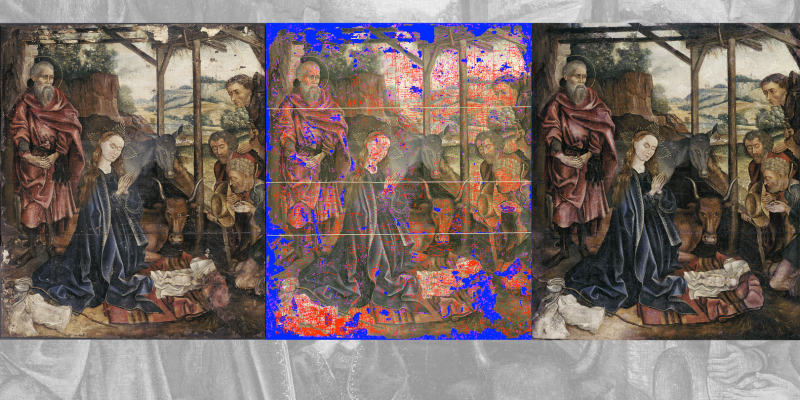
Enter Alex Kachkine, a PhD student at MIT with both a passion for art and a background in mechanical engineering. Kachkine has devised a transformative technique: after scanning and virtually reconstructing a damaged painting, he prints this digital restoration onto an ultra-thin, peelable film. This film, almost imperceptible in thickness, can then be laid onto the aged canvas—reuniting the physical painting with its revived digital twin.
The Power and Responsibility of Speed
Kachkine’s breakthrough isn’t just about doing the job faster; it’s about accountability. Every step in his process is digitally documented, creating a transparent record of interventions. That traceability matters—a lot. For years, conservation efforts have faced criticism for being poorly documented, making future restoration (or undoing past missteps) much harder. Now, curators can know precisely what was altered and why.
Even with this technological leap, Kachkine is quick to stress the importance of ethical stewardship. Restoration is not about erasing history or overwriting an artist’s vision. He insists that any use of this rapid-restoration technique must be guided by deep knowledge of the artwork’s story, and in close collaboration with trained conservators. The goal isn’t a quick fix, but a respectful renewal.
The restoration journey begins much as before, with conservators carefully cleaning the canvas and stripping away old, sometimes misguided, attempts at repair. High-resolution scans allow AI-powered tools to analyze damage and reconstruct what the artist likely intended. In a recent test on a battered 15th-century painting, Kachkine’s software identified over 5,000 problem areas, generating more than 57,000 custom colors for the perfect match. What would have taken weeks or months was finished in a matter of hours thanks to the printing technique and transfer mask.
Restoring Art, Not Replacing It
Backing for this innovation came from the John O. and Katherine A. Lutz Memorial Fund and MIT’s advanced research facilities. As the field embraces these new possibilities, conservators and engineers alike are treading carefully. The prospect of seeing forgotten artworks return to public view is undeniably thrilling, but there’s broad agreement: the past shouldn’t be lost in the rush for progress. This approach is as reversible as it is innovative—the films can be peeled away without harming the underlying art, honoring both history and the promise of restoration’s future.
To see more about Alex Kachkine’s project and the evolving world of art restoration technology, read the full story at MIT News.


