

 By
By Astronomers Use AI to Unearth Over 800 Cosmic Anomalies in Hubble’s Archives
Peering into the Mysteries of the Universe
When considering the enigmas
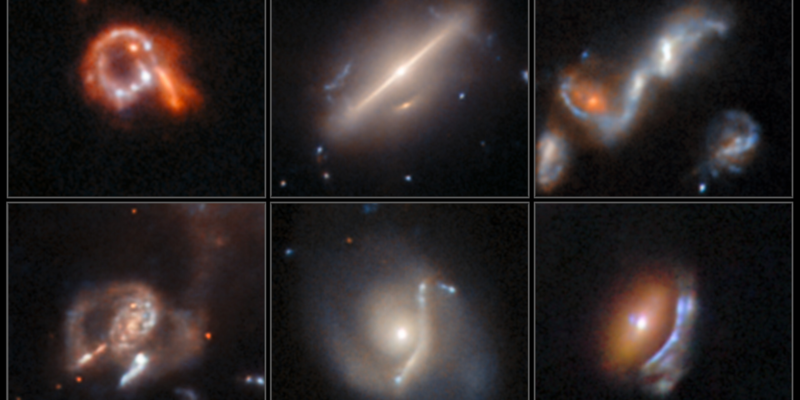
of the universe, the European Space Agency’s (ESA) two stellar astronomers have shown that there will always be something new to discover. David O’Ryan and Pablo Gómez have recently unveiled over 800 cosmic phenomena that were previously uncharted, right from the depths of the Hubble Space Telescope’s 35-year-old archives. But how did they manage to achieve such an impressive feat? The answer lies in the power of artificial intelligence – trained meticulously to comb through the immense data collected by the telescope, the AI was able to pinpoint unusual patterns and objects which had never been recognized before.
“The Hubble is like a treasure chest brimming with valuable data just waiting to be discovered,” O’Ryan shared in a public statement. Though the Hubble has been scanning the cosmos since 1990, capturing stunning snapshots and measurements of far-off galaxies, stars, and other celestial bodies, the vast amount of information it has collected means that even extensive research teams have merely scratched the surface of its potential discoveries.
Artificial Intelligence: An Astronomer’s Best Friend
To combat this complex issue, O’Ryan and Gómez turned to machine learning. The AI model they utilized was designed to identify outliers – objects that stand out from commonly observed astrophysical norms. After singling these anomalies out, the team could then manually review them. Ultimately, their work resulted in an impressive roster of over 800 unique findings, from unusual arcs of light to odd galaxy formations and even unexplained bright spots.
But why do these discoveries matter so much? Simply put, the universe is boundless and unpredictable, making every new revelation well worth the effort. Each anomaly could potentially reveal new facts about the universe’s nature—whether about the formation of galaxies, the behavior of black holes or even never-before-seen physics. Furthermore, this project is a brilliant testament to the potential of AI as a crucial tool in scientific discovery, assisting humans in traversing massive piles of data too great to navigate alone.
The Continuing Voyage of Discovery
Naturally, this is only the beginning. A multitude of these anomalies will need additional follow-up observations and diligent analysis to truly fathom their nature. Some may merely be data oddities, but others could pave the way to entirely fresh cosmic discoveries. O’Ryan, Gómez, and their team at ESA are hopeful that their work will inspire further investigation of archival data, not just from Hubble, but from other astronomical missions too.
For a deeper dive into this compelling story, visit the original article at The Verge.


