

 Unter
Unter Humane Chatbots entwerfen: Der interdisziplinäre Ansatz des MIT
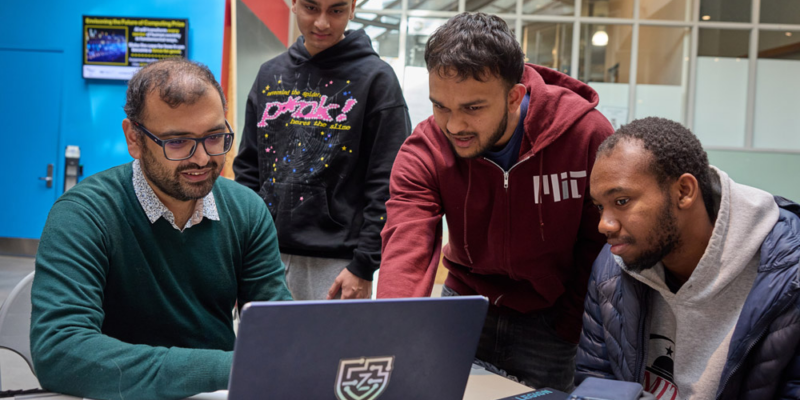
In der heutigen Welt der digitalen Informationsflut befinden sich junge Erwachsene häufig in einem Strudel von Online-Ablenkungen wie sozialen Medien und Chatbots, die um ihre Aufmerksamkeit konkurrieren. Aber können wir uns ein digitales Universum vorstellen, in dem sich diese Plattformen von bloßen Ablenkungen zu hilfreichen moralischen Begleitern entwickeln? Diese faszinierende Frage war der Auslöser für ein einzigartiges Projekt am MIT, bei dem sich ein Anthropologe mit einem Informatiker zusammentat, um einen einzigartigen Studiengang zu entwickeln.
Dieser Kurs mit dem Namen "Humane User Experience Design" bietet eine faszinierende Mischung aus Informatik und Anthropologie, die die Studierenden dazu anregt, KI-Chatbots zu entwickeln, die zur Selbstverbesserung beitragen. Dieser Kurs ist kein gewöhnlicher Kurs, sondern überbrückt die Kluft zwischen Informatik und Anthropologie. Er ermöglicht es Informatikstudenten, ihre geisteswissenschaftlichen Voraussetzungen zu erfüllen und gleichzeitig ihre beruflichen Ambitionen zu fördern.
Grenzen verwischen und Disziplinen überbrücken
Der Kurs entstand dank der Zusammenarbeit der Professoren Arvind Satyanarayan und Graham Jones. Sie haben Techniken der linguistischen Anthropologie eingesetzt, um den Studierenden zu zeigen, wie menschliche Interaktionsbedürfnisse nahtlos in die Programmierung integriert werden können. Interessant ist, dass der Kurs sogar die Aufmerksamkeit der MIT Morningside Academy for Design (MAD) erregt hat, die dieses innovative Projekt finanziert. Die MAD ist stolz darauf, neuartige Kurse zu fördern, die die traditionellen Abteilungsgrenzen sprengen, wie Humane UXD perfekt illustriert.
Wenn Freundschaft die Innovation beflügelt
Die berufliche Partnerschaft der Professoren Jones und Satyanarayan begann, als sie gemeinsam einen Doktoranden zum Thema Datenvisualisierung für Menschen mit Sehbehinderung berieten, und hat sich seitdem zu einer lebendigen Freundschaft entwickelt. Diese Beziehung hat es ihnen ermöglicht, sich mit den Überschneidungen ihrer Disziplinen zu beschäftigen. Satyanarayan schätzt den Tiefgang, den die Anthropologie den Taktiken der Mensch-Computer-Interaktion verleiht, während Jones fasziniert ist, wie Satyanarayans Lehrphilosophien umgesetzt werden.
Außerdem findet Jones den Designaspekt der Zusammenarbeit mit einem Informatiker spannend. Er stellt fest, dass unsere Sprache und Interaktionen bestimmten Mustern folgen, die sich in KI-Modellen wie ChatGPT widerspiegeln. Diese Modelle, die an menschlicher Kommunikation trainiert wurden, enthalten inhärente Muster, die es zu nutzen gilt.
Studentische Projekte
Ein bestimmtes Projekt mit dem Namen “Pond” richtet sich an frischgebackene Hochschulabsolventen, die sich mit den Herausforderungen des Erwachsenseins auseinandersetzen. Anders als herkömmliche Chatbots bietet Pond pragmatische Ratschläge zum ‘Erwachsenwerden’ und ermöglicht den Nutzern einen reibungsloseren Übergang vom College-Leben zum unabhängigen Erwachsensein. Ein weiteres Projekt, ‘News Nest’, erleichtert die Beschäftigung mit glaubwürdigen Nachrichtenquellen auf unterhaltsame Weise, indem es bunte Vögel verwendet, die verschiedene Nachrichtenbereiche darstellen. Dies hilft gegen das "Doomscrolling" und fördert die Transparenz der Medien.
Einen etwas anderen Ansatz verfolgt das Team M^3, das KI zu einem sozialen Deduktionsspiel entwickelt hat, bei dem die Nutzer mit verschiedenen Chatbots interagieren, um einen Mordfall zu lösen. All diese Projekte unterstreichen die transformative Kraft der interdisziplinären Bildung und die vielfältigen Fähigkeiten und Einsichten, die SchülerInnen gewinnen.
Weitere Informationen finden Sie in dem Originalartikel unter MIT-Nachrichten.


