

 Unter
Unter Generative KI: Die Zukunft der globalen Gesundheit und darüber hinaus gestalten
Understanding Generative AI and Its Potential Impact
Imagine artificial intelligence (AI) that doesn’t just analyze existing data, but instead creates entirely new content, data or solutions. This is what generative AI does. It’s a unique subset of AI, using models trained on vast datasets to generate human-like responses and creative outputs. It brings to life new text, images, music, and even fresh code based on patterns it has learned, making it quite distinct from traditional AI systems.
Generative AI is already making its mark across a wide range of industries, transforming the ways they function—from content creation and customer service to drug discovery and software development. Notably in healthcare, it is enlightening work by assisting in medical documentation, generating patient summaries, and even providing support in diagnostic decisions. Meanwhile, the creative arts are seeing it employed to compose music, craft poetry, and generate digital art—an impressive transformative power indeed.
A Glance at Generative AI Challenges and the Road Ahead
However, as promising as generative AI might be, it’s not without complications. Particularly in sensitive fields such as healthcare, the stakes are high. Critical issues surrounding data privacy, misinformation, and bias in training datasets need addressing. It’s pivotal to ensure AI-generated content is accurate, transparent, and under human supervision to maintain ethical standards.
As generative AI continues to evolve, its impact is yet to be fully recognized. We can, however, predict these models becoming increasingly sophisticated and accessible, potentially playing a vital role in addressing global issues—from education and communication to health and sustainability. The success of such development will hinge on focused inclusivity, equity, and ethical use.
Generative AI: A Powerful and Transforming Tool
Generative AI goes beyond being a technological trend—it holds the potential to reshape whole industries and improve countless lives. Investment in research, addressing ethical concerns, and nurturing global collaboration are key to leveraging this technology towards a smarter, more connected world.
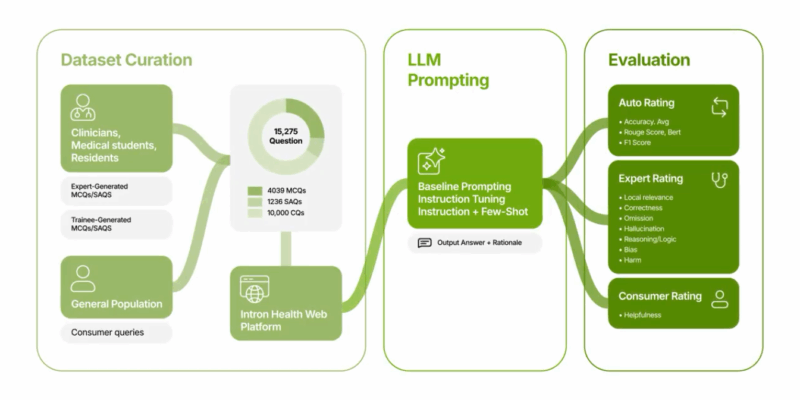
One striking example of how generative AI is leveraged for global health is Google Research’s recent introduction of Afrimed. This benchmark is designed to evaluate how large language models fare in African medical contexts. It showcases the relevance of adapting AI tools to diverse linguistic and cultural environments, thus, ensuring that technology can boost healthcare professionals and patients globally. Interested to learn more about the Afrimed initiative by Google Research? Feel free to explore it hier.


