

 By
By Exploring the Future of Interaction with Generative AI
Generative AI: Revolutionizing User Experience
Can you recall the last time you were thoroughly amazed while interacting with a digital interface? Enter Generative AI, the game changing technology that is radically altering how we engage with digital interfaces. Moving past the conventional, pre-designed layouts, Generative AI crafts dynamic, user-dependent experiences. This shift doesn’t just add a fresh coat of paint to our web experience; it flings wide the doors to truly custom-made and adaptive interfaces tailored in real time to meet every user’s unique needs.
Conceptualizing Custom Interfaces and Google’s Innovative Vision
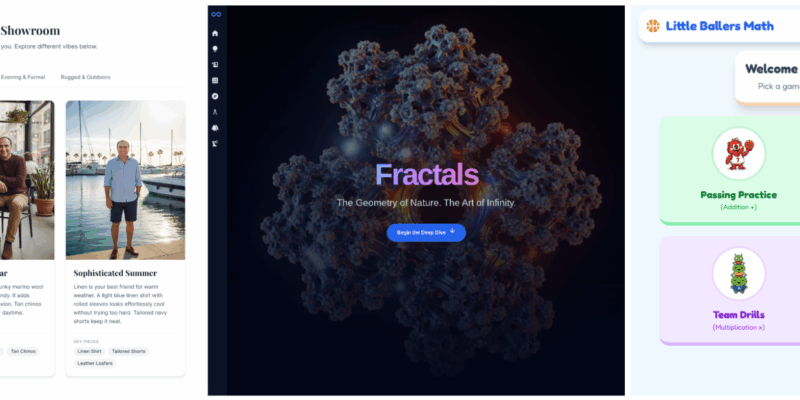
Imagine being able to type out a simple instruction, only to see a fully functional user interface materialize in the blink of an eye. That’s the magic of Generative User Interfaces (GUIs). With GUIs, you can just articulate what you wish to see—a task manager, a graph, or a dashboard—and voila, a bespoke interactive UI that checks all your boxes is created. This isn’t only about aesthetics, it’s also about usability, functionality and being mindful of context.
Google Research is leading this movement towards digital evolution. Their innovative work in the field of Generative UI is centered on developing systems that can shape rich, interactive experiences all from a solitary command. Their end game? Making software more intuitive and adaptable, thereby eliminating the necessity for manual configurations or stuffy templates. Instead, users interact with ever-evolving interfaces that adapt according to their tasks and preferences.
The Inner Workings, Potentials, and The Journey Forward
Generative UI operates on a combination of expansive language models and user interface generation frameworks. When a user feeds a command, the model dissects the intent and constructs a tailor-made interface using modular components. These can involve buttons, sliders, tables, and more, all designed and styled to match the user’s specified purpose. It’s a perfect harmony of artificial intelligence understanding and interface design.
The potential of this innovative application is staggering. In the realm of education, learners could create personalized study resources on-the-go. Professionals in the business world could design customized data dashboards without having to code a single line. Even everyday users could find immense value, creating productivity tools or visualizations suited to their specific workflows. By democratizing the process of UI design, generative AI could redefine who can become creators of software and how they go about it.
That being said, generative AI also brings about a series of considerations. Ensuring accessibility and usability amongst various user groups is one challenge. Developing safeguards to prevent bias or misuse in generated content is another. Like all AI technologies, maintaining a level of transparency and user control are crucial to building trust in the technology and fostering adoption on a larger scale.
Generative AI is a work in progress, but its potential to remodel digital interaction is undeniable. As these systems become more capable and responsive, the lines between user and developer may continue to blur. In this new landscape, it is creativity and intent—rather than technical prowess—that could become the primary tools for shaping digital experiences.
For those keen on learning more about Google’s explorations in this field, the original article can be found here.


