

 By
By Generative AI: Unlocking New Possibilities in Data Synthesis
Decoding Generative AI and Its Evolutionary Trend
When you hear the term “Generative AI”, what comes to mind? Well, if you are not familiar with it, this relates to a kind of artificial intelligence that is capable of producing new content. Sounds magical, right? Picture generative AI as a talented painter, creating something fresh on canvas, be it text, images, audio, or even elaborate data structures. Trust me, the authenticity could easily make you mistake it for human-generated content. So, how does it conjure up this magic? It studies patterns from substantial data sets and uses that knowledge-like a wizard with his magic wand-to generate original outputs.
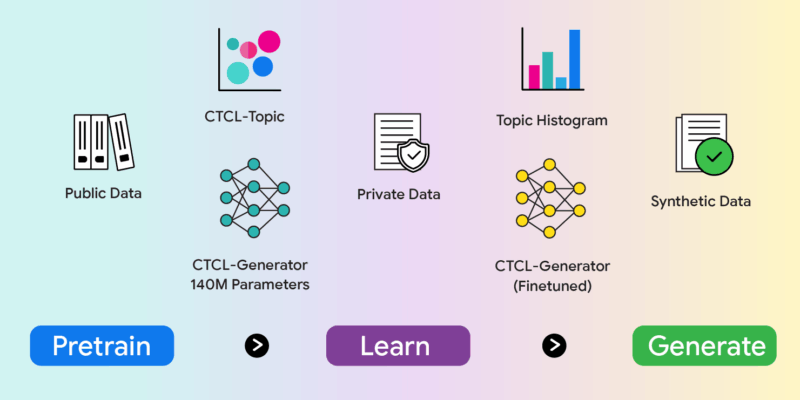
Over the years, there’s been this relentless focus in the AI world on moulding models with billions of parameters, almost as if size has become synonymous with intelligence. Sure, gigantic models have knocked some impressive scores, but they also bring about substantial computational burdens. However, Google Research is thinking differently, shifting from a quantity-oriented perspective to a quality-centered one. They are more intrigued about enhancing data synthesis than just pumping up the size of the models.
The Advent of Conditional Generators and Their Benefits
The introduction of conditional generators signifies a remarkable evolution in the AI realm. These whizz-bang models whip up data based on particular input conditions, leading to well-aimed and more efficient data generation. So, instead of leaning on huge, all-purpose models, scientists can now train leaner, specialized models that cater to specific tasks. Quite a game-changer, isn’t it?
What makes conditional generators compelling is their to potential bring new opportunities, particularly in the field of synthetic data creation. For instance, they can generate authentic-looking training data for other machine learning algorithms, which comes in handy when real-world data is few and far between or too sensitive to use. This could revolutionize sectors like healthcare, finance, and autonomous systems.
The best part about these marvels known as conditional generators? They help cut down the need for humongous datasets and computational resources. Achieving efficiency without compromise – it’s the perfect recipe for making AI development not just more accessible and sustainable, but a practical choice for many organizations too. Smaller models are not only easier to roll out and quicker to train but also often more interpretable. Isn’t that the true essence of being “smart”?
The Future of Generative AI and Beyond
Generative AI is morphing at breakneck speed, and the stride toward smarter, leaner models signifies a crucial transition. As conditional generators get more advanced, they will become instrumental in making AI more mainstream and extending its influence across various sectors. It’s safe to say that the focus is gradually shifting from architecting the largest models to fashioning the right ones, aligning with specific requirements.
Keen to delve deeper into Google’s take on generative AI and conditional data synthesis – head over to their original article here: Beyond Billion-Parameter Burdens.


