

 By
By Google Translate Brings Live Speech Translation to All Headphones
Revolutionizing Multilingual Communication with Google Translate
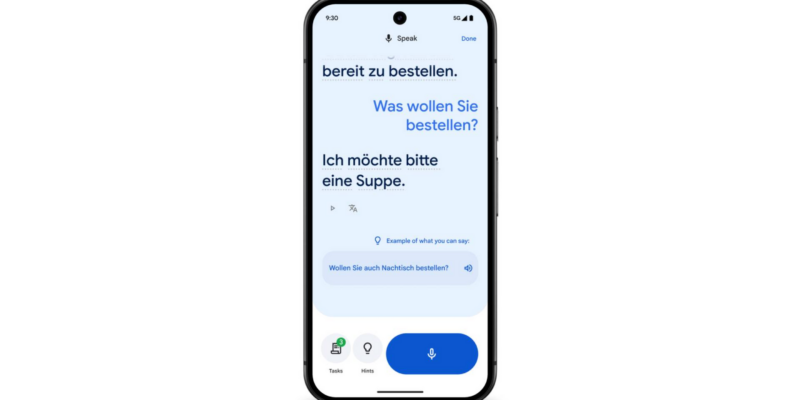
Prepare for an exciting leap in language translation services as Google Translate broadens one of its most groundbreaking features—live speech translation. Until lately, this real-time translation feature was an exclusive gem of Google’s Pixel Buds. However, it’s all about to change. If you have a compatible Android phone coupled with the Google Translate app installed, you can now delight in this service with any headphone of your choice. This advancement essentially democratizes the feature, breaking away from the exclusivity of a specific hardware.
The improved version—which is currently rolling out in beta—doesn’t hold back on diversity, supporting an incredible array of more than 70 languages. This means engaging in conversations with folks speaking a different language just got simpler. It opens up opportunities for more people to experience the world with fewer communication obstacles.
Unveiling Smarter Translations & Future Predictions
But Google has more to offer; it’s not just about the spoken word. Enhancements also extend to text translation, now powered by Gemini, Google’s AI technology. Now can Google Translate convert idioms, slang, and nuanced phrases more accurately. It means you get translations that sustain the intended meaning unlike the often puzzling literal interpretations. Imagine accurately translating expressions like “stealing my thunder” into a foreign language without losing its underlying meaning—now that’s innovative.
The focus is to make translation more natural, intuitive, and accurate. So whether you are navigating down the streets of a foreign city, collaborating with multilingual colleagues, or trying to understand a movie in another language, Google Translate aims to facilitate a more human-like experience.
Remember, it’s Android First
While this may sound like music to the ears of Android users, Apple users may have to wait a little longer. Unlike Apple’s implementation—needing specific AirPods and iOS 19—Google’s strategy promises more versatility by not restricting the feature to a particular brand of headphones. This could provide Android users with a leg up in the realm of global communication.
As we eagerly anticipate the full roll-out of the beta version, continuous improvements and enhancements are expected. Google’s incorporation of AI into its translation services indicates a future with language transforming from a barrier to a bridge. For full details, you can check out the original story on The Verge. While this feature is android-exclusive for now, we may hope for a similar breakthrough for other platforms in the near future.


