

 By
By Harnessing Data to Transform Food Assistance: How MIT’s J-WAFS is Optimizing Subsidy Programs in India
Every year, as the calendar turns to October 16, a unique global observance known as World Food Day brings people together. This event marks the foundation of the Food and Agriculture Organization (FAO) and has been celebrated for the past 80 years. On this day, the spotlight falls on essential issues such as hunger and malnutrition, while calling our attention to the critical need for lasting and sustainable food arrangements. As it stands, more than 670 million individuals across the globe grapple with hunger, with myriad others suffering from obesity and inadequate access to wholesome food.
Creating Solutions Through Innovative Research
But World Food Day is much more than a day of awareness—it’s a potent call to action. It urges all sectors—governments, businesses, researchers, and even youth—to step up and contribute towards a future where food security isn’t just a dream but a reality. A brilliant example of this dedication comes from MIT’s Abdul Latif Jameel Water and Food Systems Lab (J-WAFS). The lab answers this call to action resoundingly by funding innovative research focused on addressing food and water challenges, particularly in the Global South.
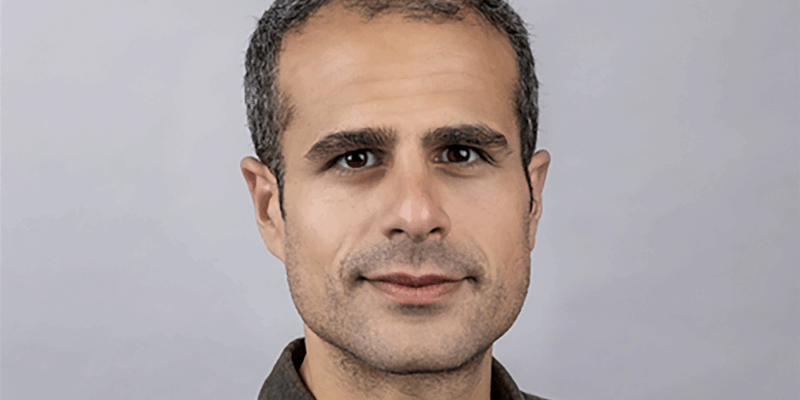
In 2025, J-WAFS awarded its 11th round of seed grants to a select group of MIT faculty members, with one of the recipients being Ali Aouad PhD ’17. Currently an assistant professor of operations management at the MIT Sloan School of Management, Aouad is bringing his proficiency in operations research and digital platforms to bear on an issue of great significance: food subsidies.
Innovations in Data Collection and Modelling
Building on his past work with subsidy programs for smallholder farmers in low- and middle-income nations, Aouad focuses his ongoing project, “Optimal Subsidy Design: Application to Food Assistance Programs”, on devising intelligent, data-driven food aid policies. These policies aim at reflecting the real preferences and necessities of low-income consumers.
A unique aspect of Aouad’s project lies in its approach to collecting data. Most often, local grocery stores, or “mom-and-pop” stores as they are fondly known, play a significant role in maintaining the nutritional balance in communities across India. These stores, however, rarely possess digital infrastructure. In response to this gap, Aouad’s team has equipped these stores with point-of-sale scanners to track purchase habits and accumulate valuable data. This information is then used to develop algorithms for optimizing subsidy design, tailored to real-world behavior.
Their ongoing work aims to create an intelligent algorithm to decode the transaction data and reveal consumers’ hidden preferences. These insights will then be utilized to shape food assistance programs’ flexibility, variety, and quality of output. However, the quality of these insights hinges upon the reliability of the algorithms used to interpret the data.
Aouad’s innovative research offers a fresh perspective to a longstanding policy challenge. Traditional food aid programs typically take their shape from political, historical, and expert opinions. In contrast, his research implements optimization techniques to propose more effective and efficient models.
Sure, expanding this research beyond the pilot stage faces quite a few roadblocks. The cost and limited framework are significant obstacles in implementing such data-intensive models on a larger scale. Despite these challenges, the team is hopeful of identifying indicators that could facilitate expansive, yet affordable data collection, making their model more scalable in the future.
Looking Forward: Pioneering Solutions for a Better Tomorrow
Solving the food security puzzle involves understanding consumer behavior and optimizing subsidies extensively. Aouad’s current project is a crucial step towards a healthier and more secure food future, laying the groundwork for future research and policy innovation. As the 2026 J-WAFS seed grant cycle approaches, the lab remains committed to backing faculty who are challenging boundaries in research and bringing innovative solutions to global food and water challenges.
To discover more about this subject and the ongoing research, click here to read the original article.


