

 By
By Human-Computer Interaction and Visualization: A New Era of Seamless AR Integration
Reimagining the Future of Human-Computer Interaction and Role of Visualization
As we journey further into the digital age, our interaction with computers is undergoing a significant shift. No longer are we confined to keyboards and touch screens—augmented reality (AR) and intelligent agents are forging a new path, transforming the human-computer interaction (HCI) landscape and making it more intuitive and seamless.
Key to this transformation is visualization. It translates complex data into understandable visuals, fuelling informed and swift decisions. In the AR milieu, these visualizations must be effortlessly woven into our environment, providing relevant information without causing sensory overload. Think of it like being privy to a personalized data dashboard that only you can see and interact with, integrated directly into the world around you.
Introducing a New Era with the Sensible Agent Framework
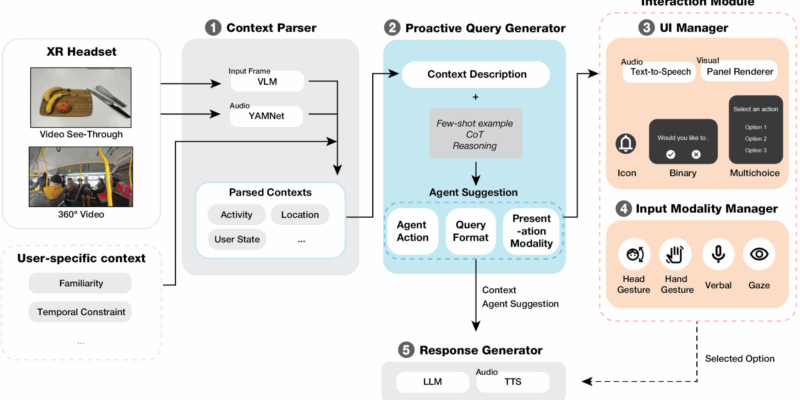
A testament to this progression in HCI is Google Research’s innovative Sensible Agent framework. It paves the way for proactive AR agents that provide just the right amount of interaction—not disrupting, just assisting when truly beneficial. Imagine these agents as digital assistants that are aware of your surroundings, always available but never intrusive.
One of the pain points of traditional proactive systems is their disruptive nature—notifications popping up at inopportune times or misinterpretations of user intentions. The Sensible Agent framework addresses these issues head-on by prioritizing subtlety and relevancy of interactions, using visual cues and prompts that blend into the user’s environment instead of hijacking their attention.
Embracing the Challenges and Looking Ahead
Then again, every innovation comes with its trials. The balance between proactivity and user autonomy is delicate. Privacy is paramount and visual cues must be universally comprehensible—these are the challenges pervading the Sensible Agent framework. As AR hardware becomes omnipresent, these frameworks must be tailored according to varying devices and user preferences.
However, the potential applications are worth the hurdles. For instance, in healthcare, AR agents could provide vital real-time data during surgeries without needing doctors to shift focus. In education, students could receive hints overlaid right onto their lab equipment or historical artifacts they’re studying. The gamut of possibilities is broad and hinges on creating interactions that feel natural, virtually indistinguishable from reality.
We are now entering a dynamic era of HCI, one where our digital tools are not just reactive but proactive, adequately catering to our needs without ever being obtrusive. The Sensible Agent framework is leading us into this future—a future brimming with technology that amplifies our abilities subtly, intelligently, and always considerately.


