

 By
By Humanoid Robots: Hype, Hope, or the Future Walking Among Us?
Humanity’s Fascination with Humanoid Robots: Reality or Illusion?
For a while now, our cinematic senses and technical curiosities have been enthralled by humanoid robots. This fascination with a bipedal, conversing machine that not only mirrors our every move but also imitates our intellect has been an interesting blend of pure fascination and ominous warnings. As we steadily venture towards integrating these machines into our day-to-day routines, one question is becoming increasingly pressing – are we truly approaching the era of humanoid robots, or are we merely falling for a potentially costly mirage?
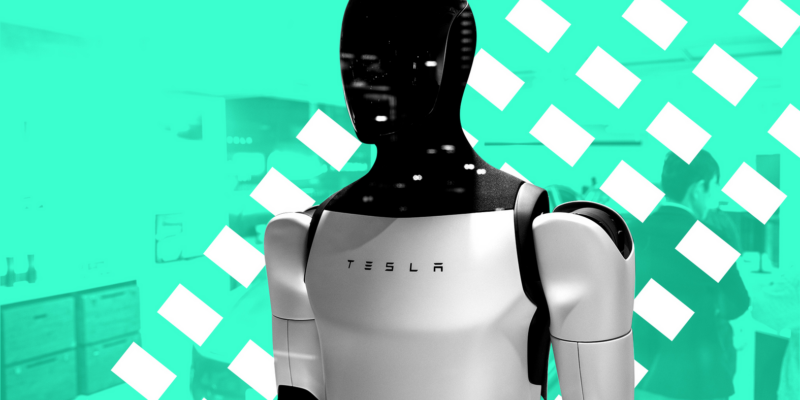
Naturally, we can’t help but find amusement in videos of robots that cost a fortune tripping clumsily over their own components. Case in point, the recent virtual stumble of Tesla’s Optimus robot that held the internet’s gaze captive. Watching the footage multiple times didn’t stem from any malicious intent, but rather how it brought a somewhat human angle to an entity designed to be inhuman. It does trigger an interesting thought – if these robots are still somewhat wobbly, how soon can we expect the predicted future to materialize?
Chasing the Ideal: The Power and the Pitfalls of the Human form
Why are tech corporations plowing large sums of capital into humanoid robots? The answer is simple. The human form, with its ability to easily climb stairs, open doors, and engage with our world in its present form, is universal in its adaptability. The theory is that if robots could mimic our form, it would enable them to perform virtually any human activity. However, these simple tasks that we do so effortlessly are incredibly intricate for a robot to emulate. Balancing, adjusting to different terrains, and reacting to unforeseen influences are hurdles that even the most sophisticated robots are still trying to overcome.
Navigating the Hype and Expectations
Behind the hype on humanoid robots is an industry feeding off spectacle. A humanoid robot showcased onstage fetches headlines, investor funding, and public interest – a reality that companies like Tesla and Figure AI are well aware of. However, concealment is active behind the scenes as most of the robots are heavily dependent on teleoperation – human-based remote control. Autonomy might be a potent illusion, but it’s often far from the reality.
Yet, despite these obstacles, the possible uses of humanoid robots are massive. They have the potential to revolutionize fields such as manufacturing, logistics, and elder care, where they could aid humans in a secure and efficient manner. However, the road to this reality is a long and slow one. Much of the technology remains in the developing phases, and wide-spread adoption is likely years, if not decades, away from becoming a reality.
So, what’s the verdict? Are humanoid robots imminent? The answer is yes, but the journey will be slower than the buzz indicates. Human-like robots are slowly stepping into reality, but the path is riddled with hurdles – both metaphorical and literal. The next few years will be pivotal in deciding if these gadgets will become essential tools or remain high-priced novelties.
In the interim, I find myself continuously watching these machines trip and fall. Not out of joy from their failures, but because each misstep serves as a reminder of the complexity implicit in this arguably human-like odyssey.


