

 Przez
Przez Wykorzystanie sztucznej inteligencji do dekodowania ewolucji nowotworów: Spostrzeżenia Matthew G. Jonesa z MIT
W szerszym kontekście ewolucji często przytaczamy przykłady takie jak zięby Darwina, które przystosowały się do przetrwania. Jednak w grze życia i śmierci komórki nowotworowe wykształciły podobną odporność. Tworząc guzy o skomplikowanej budowie, komórki te sprytnie dostosowują się, by przetrwać, mutować i rozprzestrzeniać się – dokładnie tak, jak ewolucja ukształtowała życie. To tak, jakby kierowały swoim przetrwaniem zgodnie z własną, wyjątkową logiką.
Rozwikłanie zagadki raka dzięki technologii
Nadchodząca era sztucznej inteligencji i uczenia maszynowego oferuje nam potencjalny przełom w leczeniu nowotworów, porównywalny z rozszyfrowaniem paradoksu kostki Rubika. Technologie te działają niczym latarki z długim zasięgiem, rzucając światło na czynniki genetyczne, epigenetyczne, metaboliczne i mikrośrodowiskowe, które wyznaczają przebieg rozwoju nowotworów. To przedsięwzięcie może zmienić nasze rozumienie nowotworów od podstaw, otwierając nam drogę do pionierskich metod leczenia i lepszej opieki nad pacjentami.
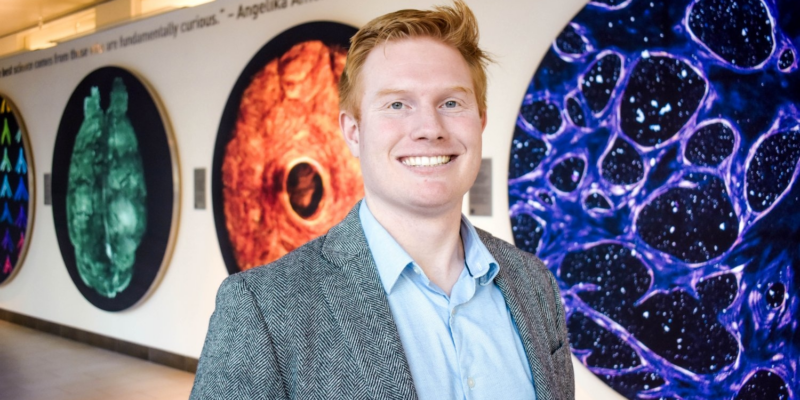
W tej misji odkrywania tajemnic raka Matthew G. Jones jawi się jako wschodząca postać na miarę Prometeusza. Znany jest jako adiunkt na Wydziale Biologii MIT, w Instytucie Kocha ds. Integratywnych Badań nad Rakiem oraz w Instytucie Inżynierii Medycznej i Nauk Medycznych. Jego nowatorskie podejście ma na celu przechytrzenie przebiegłych taktyk ewolucji nowotworów poprzez tworzenie modeli prognostycznych. Dzięki dogłębnemu zrozumieniu zdolności adaptacyjnych nowotworu i jego odporności na leczenie Jones przewiduje, że ta wiedza może radykalnie poprawić wyniki leczenia pacjentów.
Badanie sprytnych taktyk nowotworu
Zakres badań Jonesa koncentruje się przede wszystkim na niezwykłej zdolności nowotworu do ewolucji. Nierzadko zdarza się, że pacjenci początkowo dobrze reagują na terapie, ale z czasem skuteczność tych metod słabnie. Winowajcą tego zjawiska jest niesamowita zdolność nowotworu do przebudowywania swojego składu genetycznego, szlaków sygnałowych białek oraz dynamiki komórkowej. Wbrew powszechnemu przekonaniu nowotwory nie działają w sposób chaotyczny. Wykazują one pewne wzorce, które potencjalnie możemy rozszyfrować za pomocą technologii obliczeniowych i eksperymentalnych.
Nie jest zaskoczeniem, że badania Jonesa skupiają się na niekonwencjonalnym graczu w świecie DNA – DNA pozachromosomowym (ecDNA). Te cząsteczki ecDNA zachowują się w jądrze komórkowym jak „buntownicze” cząsteczki DNA, występują w około 25% nowotworów i mają przełomowe znaczenie w przypadku agresywnych nowotworów, takich jak nowotwory mózgu, płuc i jajników. Ich prawdziwy potencjał polega na umożliwianiu nowotworom szybkiej adaptacji, nadając postępowi choroby nowe tempo.
Podążając za postępem technologicznym w dziedzinie biomedycyny, Jones z wielkim zaangażowaniem kieruje swoje badania na przekształcanie odkryć laboratoryjnych w konkretne korzyści dla pacjentów. Jego zespół, dysponujący kluczowymi danymi dotyczącymi pacjentów, stara się zrozumieć siły ewolucyjne kształtujące choroby i mutacje. Podstawą tych badań jest technologia śledzenia linii komórkowych na poziomie pojedynczych komórek. Technika ta pełni rolę mikroskopu, pozwalającego prześledzić historię ewolucyjną poszczególnych komórek, co może doprowadzić do powstrzymania rozwoju nowotworu i precyzyjnego dostosowania planów leczenia.
Most Innowacji na MIT
Dla Jonesa społeczność MIT stanowi wyjątkowe połączenie inżynierii i nauk biologicznych, co skłoniło go do podjęcia studiów właśnie tam. Instytut Kocha przy MIT jest inspirującym przykładem współpracy między naukowcami a inżynierami, która przyczynia się do twórczych postępów w walce z rakiem. Kwitnąca społeczność zajmująca się badaniami biomedycznymi w Bostonie dodatkowo wzmacnia ducha współpracy.
Jones, którego pasją jest kształtowanie przyszłych filarów nauki, postrzega środowisko akademickie jako punkt wyjścia do kształcenia liderów w dziedzinie nauki. Na MIT stara się tworzyć środowisko, w którym krzyżują się dyscypliny obliczeniowe i eksperymentalne, podejmując się trudnych wyzwań związanych z badaniami nad rakiem.
Aby jeszcze dokładniej zapoznać się z przełomowymi pracami Matthew G. Jonesa, odwiedź stronę oryginalny artykuł prasowy.


