

 By
By The Future of Advertising After an AI Traffic Coup
We’re in the Middle of a Search Revolution
Search isn’t what it used to be. Not too long ago, finding information meant typing a few keywords into Google and sifting through a sea of website links. Today, large language models—those engines behind ChatGPT or Google Gemini—are turning this routine upside down. Now, when you type a question, you’re often greeted by an AI-crafted summary or direct response, making it oddly easy to never actually visit the open web at all. This shift isn’t just a matter of convenience—it’s quietly redrawing the boundaries for publishers and the broader internet.
When AI Takes the Wheel: Who Gets the Traffic?
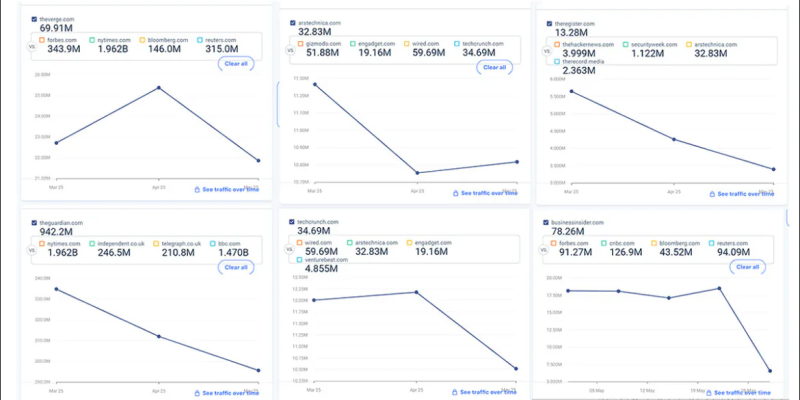
Some of the biggest names in online publishing—think The Verge, TechCrunch, The Guardian—have noticed something troubling: search-driven traffic is dropping off, and fast. Coincidence? Maybe, but the timing matches AI’s rise as a first-stop information gatekeeper. Instead of sending you off to read a full article, chatbots serve condensed responses, sometimes with little or no link back. For publishers who’ve spent years perfecting their Google strategies, this is more than a dip in numbers; it’s an existential threat. Now, the survival game is shifting toward making deals with AI giants or paying for prime placement.
Adverts in Your Chatbox: A New Kind of Digital Influence
Ever noticed how most AI chats are refreshingly ad-free? That peace and quiet might not last long. The behind-the-scenes talk is clear: OpenAI and Google are toying with ways to blend shopping suggestions and even personal data into AI monetization, while Google’s already slipping ads into its AI-generated summaries. Imagine chatting with your assistant about travel tips or health, and not knowing whether its advice is sponsored or sincere. Researchers are warning: what if, during a sensitive chat about mental health, your chatbot suggests a branded medication—not because it’s best, but because it’s paid for?
Native ads are effective precisely because they’re so unobtrusive. In a chatbot, the line between helpful advice and product placement could all but vanish. For users, that means their trust could be quietly exploited; for advertisers, it’s a goldmine. And if advertisers start using your conversations for micro-targeting, we could be in for another round of data-privacy scandals, reminiscent of Cambridge Analytica’s controversies. Unlike streaming services, where we tolerate ads in exchange for content, AI assistants are personal and interactive—which makes the tradeoffs a lot more complicated.
Publishers’ Dilemma: Partner or Compete?
Rather than resisting, some publishers are negotiating content deals with generative AI companies. Take OpenAI’s agreement with NewsCorp, letting its models access Wall Street Journal stories. It promises short-term benefits and maybe some revenue—but there’s a catch: those same AI tools could eventually learn enough from publisher content to become their competitors. Today’s licensing deal could be tomorrow’s blueprint for replacement.
Most AI platforms don’t exactly welcome the idea of sending people away. External links are hidden, minimized, or take a few extra clicks to reach. It keeps users inside their ecosystem and makes life tough for sites that rely on incoming traffic. As frustrations mount, regulators are watching: if AI search tools start favoring certain web sources over others, antitrust concerns are sure to surface. Until there’s oversight, publishers are left in limbo—fighting for scraps of attention in a world that prefers fast, summarized answers.
Who Decides What’s True?
This all boils down to trust. We already debate whether big news outlets are shaped by advertisers or their own agendas. If the next filter is an AI model—trained on both reputable and questionable sources, and potentially nudged by advertiser interests—our view of the world could subtly warp. If only the biggest publishers can afford AI partnerships, smaller voices risk getting lost entirely.
In the end, as AI becomes the default interface for knowledge, every bit of information is run through multiple filters: the source, the algorithm, the advertiser. Each step adds an opportunity for distortion. What we read tomorrow won’t just depend on what’s true, but on whose interests filter through the AI in charge of telling the story.


