

 By
By Trump Signs Executive Order Targeting State AI Regulations
Former President Trump Consolidates AI Regulation at Federal Level
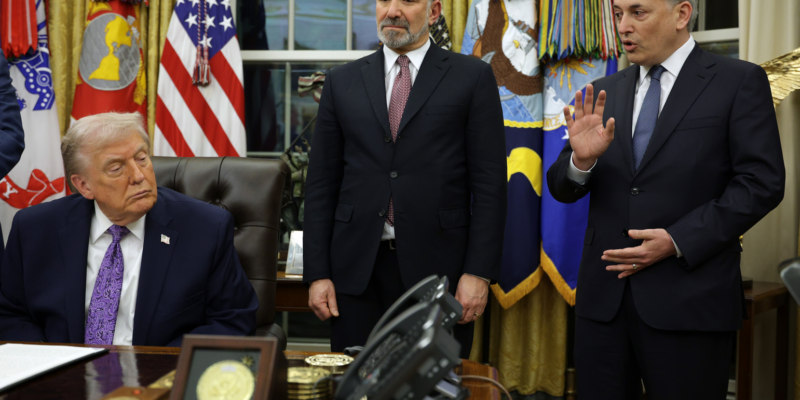
On a regular Thursday evening, the Oval Office witnessed a significant move by former President Donald Trump. Joined by Commerce Secretary Howard Lutnick and AI and crypto leader David Sacks, Trump put pen to paper, signing an executive order presenting his intention to centralize the regulation of artificial intelligence (AI) at a federal level. It was a message that posed unmistakable challenges to any state-level AI laws not in line with federal goals.
Trump’s executive order, although short of having the power to directly nullify state AI laws, did carry a strong recommendation. It urged federal agencies to combat the influence of these laws forcefully, discouraging states from creating independent AI regulations. The order suggested that a state’s non-compliance could put other federal funding at risk.
Challenge Aims at Colorado Laws; Stirs Federal vs. State Debate
The order explicitly referenced Colorado’s recently enacted consumer protection law, SB24-205, designed to combat algorithmic discrimination. The administration’s case was that such state laws could engender a jumbled regulatory landscape, posing unnecessary complications for AI developers and businesses and potentially impairing innovation.
This shift by Trump sets the stage for an impending legal and political showdown over the control of AI regulation in the United States. Traditionally, the federal government has reigned supreme in the likes of national security and interstate commerce. However, delineating responsibility when it comes to technological regulation — particularly for AI — has seen states starting to lay claim to their own standards.
Implications and Expectations
The order may find favor among major tech firms, who could benefit from a single, cohesive regulatory structure as opposed to a mishmash of state laws. But it is likely to face resistance from privacy advocates and civil rights groups who contend that state laws can fill gaps left by federal law and typically provide more robust consumer protection.
Looking ahead, as federal agencies slowly roll out the directives in the Trump order, the focus will be on the states’ reactions. Legal opposition is anticipated, especially from states like California and Colorado that have previously taken the initiative in independently regulating AI technologies.
For a more in-depth look at this story, visit The Verge.


