

 By
By Nvidia’s Vision for Physical AI Systems: A $50 Trillion Industry in the Making
Nvidia Dreams Big: Physical AI Is the Next Giant Leap
Standing before a packed crowd, Nvidia CEO Jensen Huang didn’t just talk about the future—he painted it. And in his vision, it’s a world infused with artificial intelligence not just in the digital clouds, but pulsing through machines and devices all around us. Huang believes the rise of physical AI systems—where software intelligence meets the hardware of our everyday lives—will open up a staggering $50 trillion opportunity over time.
But what exactly are physical AI systems? Imagine the difference between your phone’s virtual assistant (purely digital) and an autonomous robot navigating a bustling warehouse floor. Physical AI pushes intelligence down into the wiring and sensors of machines in the real world: self-driving vehicles, surgical robots, drones, and smart manufacturing lines. It’s about teaching machines not only to see and analyze, but also to sense their surroundings, reason about them, and act safely and autonomously—sometimes in ways humans might never anticipate.
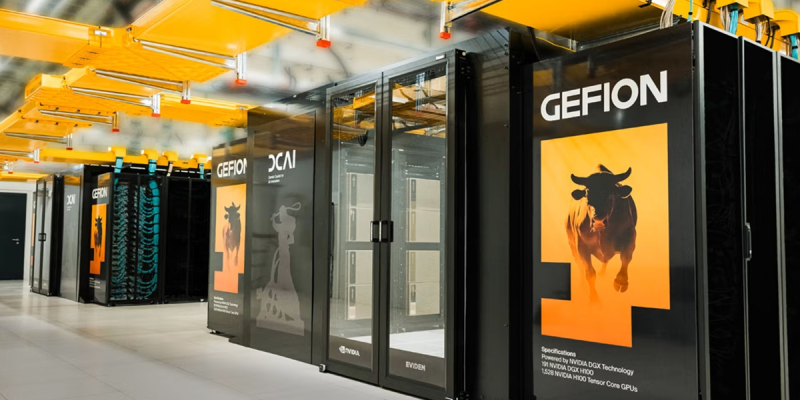
One of Nvidia’s latest efforts along these lines is the Gefion supercomputer, a massive infrastructure built in Europe to power AI research, from climate science to robotics. Initiatives like this show Nvidia is thinking globally, weaving AI expertise into research hubs and industries that want to leap from simulation to real-world impact.
Reimagining Industry with AI That Moves and Thinks
Huang’s $50 trillion estimate may sound outlandish, but consider where the world is heading. From fleets of robotic trucks moving goods across continents to AI-optimized energy grids and smart hospitals, physical AI is set to transform the core of how we live, work, and deliver services. Every challenging task in the physical world—from manufacturing and logistics to health and sustainability—becomes a canvas for AI to help, streamline, and improve.
Nvidia is betting its future on leading this wave, supplying not just their famed GPUs but all the digital plumbing—software, simulation platforms, and AI frameworks—that make physical AI possible. Their ambition matches their reach: arm scientists, startups, and multinational companies alike with the ability to imagine, train, and deploy AI not in a virtual sandbox, but out on the factory floor, city streets, or even inside the human body. In this vision, Nvidia isn’t just forecasting change—they’re building the roads and bridges to it.
The Next Frontier
We’re at the edge of a new era. As digitization speeds up and automation transforms industries, these AI-embedded machines are going to play a bigger and bigger role in everyday life. Whether or not the exact numbers pan out, the essential story is undeniable: the fusion of AI and the physical world is accelerating right now. And in this fast-arriving future, Nvidia stands ready to lead, innovate, and redefine what “intelligent technology” really means. The age of physical AI is just beginning.


