 By
Wikimedia warns AI copyright ruling could hit the open web
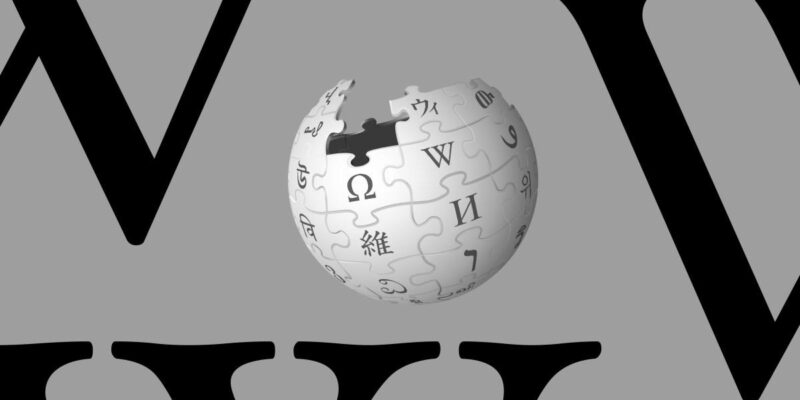
The Wikimedia Foundation says a badly framed court ruling in major AI copyright cases could harm both AI development and the wider web. According to reporting cited here, the nonprofit behind Wikipedia has filed an amicus brief arguing for legal protection for large language model training on copyrighted material, while drawing a line against chatbots that reproduce that material for users.
The filing reportedly takes a middle position in lawsuits involving publishers including The New York Times and defendants OpenAI and Microsoft. Rather than fully backing either side, Wikimedia argues that an overly broad ruling could create two different risks: limiting useful AI-assisted tools for Wikipedia contributors, or undermining the open web if AI systems can freely return protected content in ways that substitute for original sources.
Why Wikimedia is trying to split training from output
The key distinction in the summary is between training and regurgitation. In practical terms, Wikimedia appears to be arguing that using copyrighted works to train a model should not automatically be treated the same as a chatbot delivering near-verbatim protected material back to end users.
That distinction matters because many current AI disputes turn on whether courts see model training as transformative analysis, or as unauthorized copying with commercial consequences. Wikimedia’s position suggests it sees room for courts to protect model development without giving blanket cover to AI products whose outputs may compete directly with publishers’ work.
What remains unclear in the cases
Based on the source material provided, the full legal reasoning in Wikimedia’s brief is not available here, and the courts have not resolved the broader copyright questions. It is also unclear how judges will define harmful output behavior, or whether they will create a narrow rule for specific products instead of a wider precedent for AI training.
For readers in AI and publishing, the immediate significance is that a major open-knowledge institution is warning against an all-or-nothing outcome. A hypothetical example: an editor-facing AI tool that helps summarize discussion pages or detect vandalism may depend on broad model capabilities, while a consumer chatbot that reproduces paywalled reporting could raise a very different copyright concern.
If courts accept that distinction, future AI policy may focus less on whether models learned from copyrighted material at all, and more on what systems actually output, how closely they reproduce source text, and whether they divert traffic or value from original publishers.
Could this middle-ground argument become a template for future AI copyright rules, or will courts still prefer a simpler yes-or-no approach?
Source: original reporting by The Verge. The claims above reflect the information supplied in that source.
Explore related coverage in our AI news section.
Practical AI applications
Partner note — Implementi.ai: As copyright and content-use rules tighten, businesses may need clearer oversight of how AI-generated text is reviewed before publication or customer use. For teams planning safer operational workflows around AI content, Implementi.ai offers broader business AI solutions that can support human-in-the-loop processes and governance planning.


