

 By
By Transform 2025: BCG’s Matthew Kropp Outlines Strategy for AI Agent Adoption and Workflow Transformation
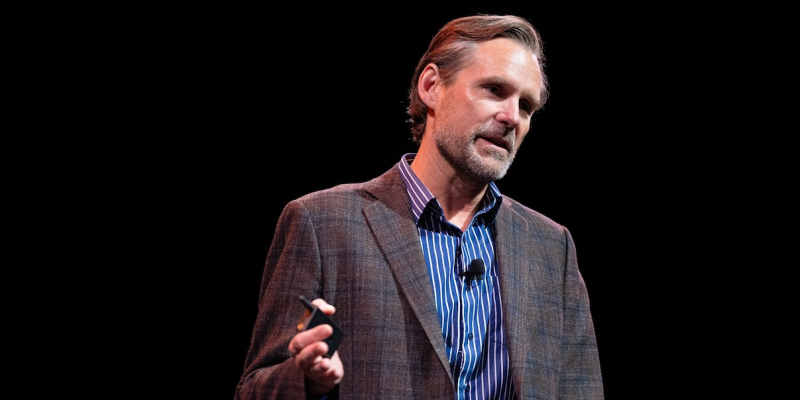
At this year’s Transform 2025 conference, the spotlight was firmly on “agentic AI”—an emerging class of artificial intelligence capable of not just assisting, but actively making decisions and running tasks on its own. Matthew Kropp from Boston Consulting Group (BCG) kicked off the discussion with a frank look at what it really takes for organizations to use these sophisticated AI agents to boost efficiency and productivity, without leaving their human teams sidelined.
Kropp doesn’t mince words about the scale of the challenge. Agentic AI isn’t just another helpful tool; it’s smart enough to take over entire workflows, which means organizations need to rethink everything from job roles to company culture. The key question he raised: How do you weave this tech into daily work without making employees feel like they’re being replaced?
For Kropp, the answer lies in empathy and open communication. He warns against expecting seamless adoption right out of the gate. Employees may feel wary or even threatened. His advice? Bring staff into the process early. Walk them through what agentic AI does, explain how it can make their work more interesting and impactful, and provide the hands-on training they need to thrive alongside these new digital teammates. When people understand the “why” and “how,” they’re much more likely to get on board.
The discussion also zoomed in on change management as non-negotiable for AI success. BCG’s research shows that companies that invest in preparing their people and processes are not only more successful at launching AI, but they also face less pushback from their teams and see more creativity sparked across departments. When workers feel equipped and supported, they’re far more likely to see AI as a partner, not a threat.
Wrapping up, Kropp struck an optimistic note about the future of work. In his view, companies that figure out how to embed AI agents into their processes—while focusing on learning and adaptability—will be the ones out in front. These advances aren’t about replacing people. If done right, AI will shift roles and responsibilities in helpful ways, clearing the way for humans to focus on work that truly moves the needle.
Read the original article at VentureBeat.


