Automation

Exploring the Intersection of Human-Computer Interaction and Visualization

Diving headfirst into the dynamic field of Human-Computer Interaction (HCI), one can’t miss the significant role that visualization has started to play. As we push further into the digital age, the fusion of visual representation within HCI is rapidly going from a niche element to a vital component. Our digital interactions are enriched and the possibilities for engagement are broadening due to this integration.

The importance of visualization cannot be understated, especially when it serves as our pathfinder through the complex wilderness of data. By turning abstract information into engaging visual forms, users find it easier to comprehend and interact with the data. Few fields exemplify this necessity as well as data science where large datasets, often overwhelming in their size and complexity, are made manageable – even understandable, through the use of proficient visualization tools.
But the world of HCI doesn’t stop at improving existing technologies. It also incorporates groundbreaking advancements, such as those offered by the realm of Extended Reality (XR). This fascinating field, which houses Virtual Reality (VR), Augmented Reality (AR), and Mixed Reality (MR), is revolutionizing our digital interactions by offering immersive experiences that redefine usability and engagement.
The narrative doesn’t end here though. Let’s add Artificial Intelligence (AI) to the mix for an exciting plot twist. The integration of AI with XR technologies has unlocked the gate to a world of otherwise unimaginable possibilities. The seamless combination has created more intuitive and responsive user interfaces, with AI-driven XR technologies catalyzing an evolution in the way we prototype and develop new applications. With the ability to analyze user interactions in real-time and adjust the XR environment to meet the user’s needs, AI has lifted the personalization game to an unprecedented level.
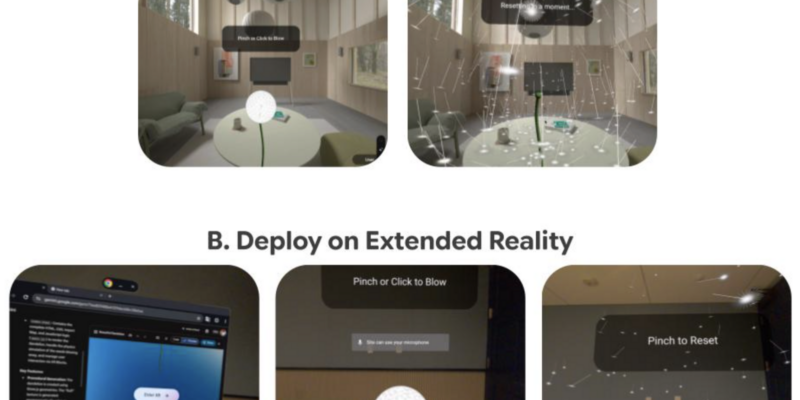
Let’s say we visit Google for instance, their latest innovations, XR Blocks and Gemini, are creating wider avenues for faster, efficient AI-XR prototyping. These developments expedite the process by providing developers with the resources they need to experiment and iterate quickly, thereby giving free rein to innovation and creativity. Consequently, we see a shift in focus from being bogged down by technical constraints to refining user interactions.

Wrapping it up, the crossroads where HCI and visualization meet is a fertile territory ripe for innovation. The ever-evolving technologies have infused immense potential into creating user experiences that are increasingly engaging and intuitive. If you’re thinking about incorporating AI automation into your own business operations, consider exploring the opportunities provided by implementi.ai. The advanced solutions they offer can help harness the power of AI, effectively enhancing your organization’s operational capabilities.

For a deeper understanding of AI and XR technology advancements, visit the original article [here].

What's your reaction?

Excited
0
Happy
0
In Love
0
Not Sure
0
Silly
0

Comments are closed.