

 By
By How AI Is Shaping the Future of Clean Energy
The realm of artificial intelligence (AI) continues to justify its buzzword status, especially when it comes to the energy sector. While AI’s potential to streamline our world continues to grow, it also comes with a challenging paradox: ironic as it may be, the construction of massive, energy-intensive data centers required to power AI operations could strain electricity grids, pushing up customer prices, and hindering the transition to clean energy. However, the beauty of the beast is that AI itself could be our most efficient tool to speed up that very transition.
A Two-Edged Sword: AI’s Role and Impact
AI is indubitably making a difference in enhancing energy efficiency and reducing emissions. This impact is visible across various sectors – be it buildings, transportation systems, or industrial operations. AI-based smart systems are enhancing heating and cooling optimization in homes and offices, raising the bar for fuel efficiency in transportation, and refining manufacturing processes to curb energy use and waste.
Furthermore, AI is providing support in the design and strategic placement of renewable energy infrastructure, including wind turbines, solar panels, and battery storage systems. These optimizations are aimed at maximizing output while ensuring minimal land use and environmental impact.
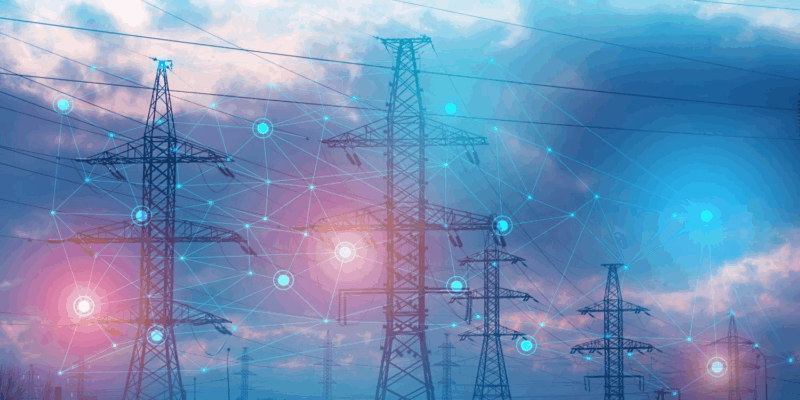
However, the potentially game-changing role of AI doesn’t end there. While our electric grids are under increased strain due to the rise in distributed and intermittent renewable energy sources like solar and wind, AI serves as a lifeline. AI algorithms can monitor and manage grid operations in real-time, down to the microsecond, ensuring the grid remains stable despite the integration of variable energy sources.
AI’s Potential: From Predictive Maintenance to Future Planning
AI also excels at predictive maintenance by analyzing performance data in real-time and flagging concerns before they escalate. Such a proactive approach can prevent equipment failures, lessen downtime, and extend the lifespan of infrastructure — resulting in enhanced worker productivity.
Planning the energy infrastructure of the future is a monumental task, considering it could take decades. Not only do grid operators need to forecast future energy needs, but they must also anticipate the varied types of generation and storage likely to be available. AI aids this process seamlessly, crunching complex systems, and running simulations under different scenarios. This ability to handle vast datasets fast is proving invaluable in forecasting future grid behavior and pinpointing vulnerabilities.
The Impending Revolution: AI in Energising Tomorrow’s World
Interestingly, AI is not just managing the energy systems of today; it’s also central to discovering the materials that will underpin the systems of the future. Researchers use AI to accelerate atomic-scale simulations, providing new insights into how materials behave and how they can be improved for energy applications. These AI-aided breakthroughs could mean a significant leap forward for battery tech, solar cells, and other clean energy technologies.
At MIT, for instance, such possibilities are being explored rather excitedly. Researchers are using AI to model disruptions in fusion reactors and developing robots that learn maintenance tasks. Other initiatives involve making data centers more energy-efficient and facilitating collaborations. In fact, MIT’s ‘AI and Energy: Peril and Promise’ symposium in spring 2025 brought together experts from academia, industry, government, and nonprofits to discuss how AI could both challenge and aid the clean energy transition.
As it turns out, artificial intelligence has more than proved its mettle in driving us towards a clean, energy-efficient future. You can learn more about these developments from the original article at MIT News.


