

 By
By How Algorithms and Theory Are Powering Smarter EV Charging Predictions
Unraveling the Puzzle of EV Port Accessibility
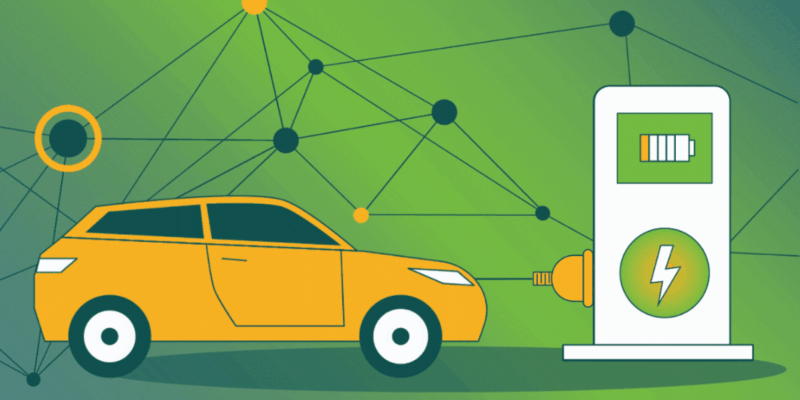
With the increasing popularity of electric vehicles (EVs), a unique kind of fear has dribbled into the minds of the drivers – range anxiety. It’s the unsettling worry of the EV battery draining out before they could reach a charging station. Yes, there’s no shortage of charging stations, but the main predicament is whether there will be an available charging port when they pull into the station. This is where the intriguing world of algorithms and theoretical computer science comes into play, bringing in perceptible changes.
It might seem elementary on the outset – predicting the availability of an EV port. The depressing reality, however, is that it’s not as easy as it seems. Charging stations vary in number of ports, charging speeds, and even usage patterns keep changing throughout the day. Traditional ways of prediction falter in efficiently handling these dynamic systems.
From Theoretical Concepts to Real-Life Applications
To address this, a team of researchers in Google built a powerful AI that is surprisingly simple. This AI harnesses real-time data alongside algorithmic insights. This unique approach aims at alleviating range anxiety by providing drivers with more accurate predictions of charging port availability, not just in real-time, but also short-term futures.
Standing tall amongst its peers, this AI model is a celebration of simplicity. Unlike other models which depend on deep neural networks with a staggering number of parameters, it employs a streamlined machine learning technique. By learning from archived data and incorporating real-time signals, short-term availability prediction becomes a cakewalk, making it a handy tool for mobile users seeking quick and reliable updates.
The beauty behind the model is its fantastic blend of efficiency and practicality. This model validates the potential of theoretical computer science concepts – probabilistic modeling and optimization in solving real-world problems in a scalable manner.
With an Eye Toward the Future
Don’t limit the vast implications of this research to the realm of EVs. It’s a salute to the prowess of algorithms and theory in transforming raw data into significant insights. As our city infrastructure is becoming increasingly digital, similar models could play a pivotal role in perfecting various domains, from traffic management to public transit scheduling.
By curbing the unpredictability of EV charging, we can encourage more people to embrace electric vehicles, assured of accurate, real-time info about charging points. It’s not only a win-win for drivers, but also an impetus to global efforts aimed at sustainable transportation.
In Summary
The seamless blend of algorithmic theory with practical machine learning by Google’s research team opens up new avenues to a smarter EV infrastructure. These developments underline the fact that often the best solutions emanate, not from complexity, but from clear, well-grasped ideas that are scalable. Check out the complete story on Google Research Blog: https://research.google/blog/reducing-ev-range-anxiety-how-a-simple-ai-model-predicts-port-availability/


