 By
Wikimedia warns AI copyright ruling could hurt the open web
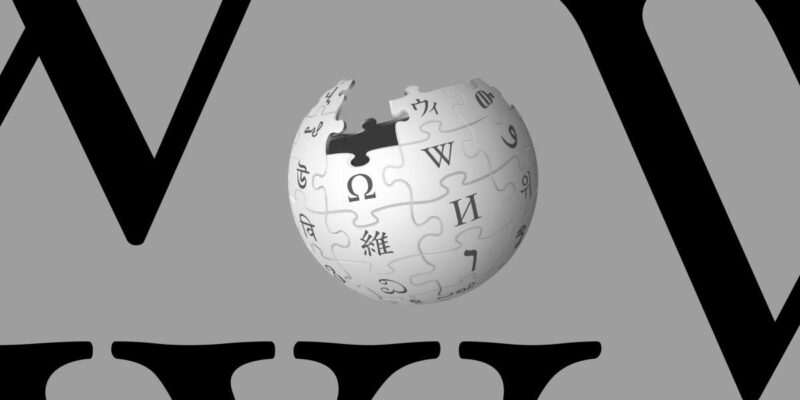
The Wikimedia Foundation says a court ruling in the major AI copyright cases should distinguish between model training and chatbot output. In an amicus brief described by The Verge, the nonprofit behind Wikipedia argues that protecting all training uses too broadly or restricting them too aggressively could both create problems for the open web.
According to the report, Wikimedia is taking a middle position in lawsuits involving publishers including The New York Times and defendants OpenAI and Microsoft. Its argument, as summarized by The Verge, is that courts should allow legal room for large language models to train on copyrighted material, while not giving blanket cover to systems that reproduce or closely regurgitate that material for users.
Why Wikimedia says the distinction matters
The practical concern is not only about commercial chatbots. Wikimedia says an overly black-and-white ruling could also affect AI-assisted tools used by volunteer communities and other open-web projects. In other words, a decision aimed at one set of disputes could shape what kinds of machine-learning systems remain feasible for nonprofit and public-interest platforms.
That is a notable intervention because it avoids fully siding with either publishers or AI companies. Based on the source summary, Wikimedia appears to be arguing for a narrower legal framework: one that treats training and output behavior as separate questions, rather than assuming the same answer should apply to both.
What remains unclear
The source material does not include the full legal reasoning from the brief, nor does it say how much weight the court may give Wikimedia’s filing. It also does not resolve the harder follow-up question: where courts should draw the line between permissible learning from copyrighted works and impermissible reproduction in generated answers.
A hypothetical example helps explain the stakes. An AI tool that helps Wikipedia editors summarize policy pages or flag duplicate citations may rely on broad training data without reproducing source text verbatim. A consumer chatbot that outputs protected passages on request raises a different issue. Wikimedia’s position, as described by The Verge, appears to ask courts to preserve that distinction.
Could this become one of the key legal tests for whether AI systems are judged by how they learn, how they answer, or both?
Source: original reporting by The Verge. The claims above reflect the information supplied in that source.
Explore related coverage in our AI news section.
Practical AI applications
Partner note — Implementi.ai: For businesses following AI copyright disputes, the immediate operational issue is often governance: what content enters AI workflows, and what outputs need review before publication. Implementi.ai offers broader AI business solutions that can help organisations design more controlled automation processes around content handling and approval.


