

 By
By Introducing SL2T: A Breakthrough in Sign Language Technology
Transforming the Face of Communication for the Deaf and Hard of Hearing
Imagine a world where seamless communication was a reality for everyone. Our ability to convey thoughts, ideas, feelings, and instructions is something that, for many, is taken for granted. However, for the Deaf and hard of hearing community who primarily use sign language, the journey to be understood or to understand can be a challenging one. This is about to change dramatically with the advent of a trailblazing tool called the sign-language-to-text (SL2T) model, engineered to enhance communication accessibility and inclusivity.
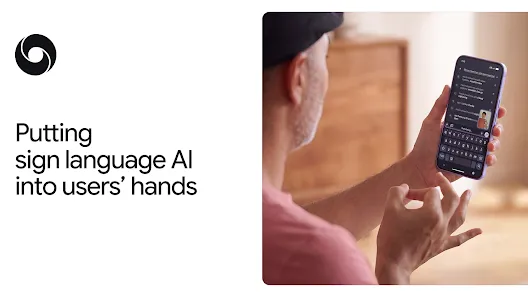
Deemed a game changer, the SL2T model is at the forefront of cutting-edge, AI-driven communication tools. Specially developed to turn sign language into text, this model paves the way for the Deaf and hard of hearing to interact effortlessly with those unfamiliar with their mode of communication. As a result, the users gain a new level of autonomy, able to convey their thoughts more freely. More than just a technological advancement, this model is instrumental in breaking down communication walls and embracing inclusivity.
Understanding the Mechanism Behind SL2T
A powerhouse of modern technology, the SL2T model taps into the prowess of advanced machine learning algorithms. These are programmed to decode sign language gestures and convert them into readable text instantly. What makes this possible is the model’s ability to capture the subtle, intricate expressions unique to sign language and translate them into cogent text. It’s a process that’s as intuitive as it is efficient, and, most importantly, creates virtually no lag in communication.
A New Horizon for the Deaf and Hard of Hearing Community
This groundbreaking innovation has been greeted with open arms by the Deaf and hard of hearing community. The SL2T technology enables them to navigate both personal and professional interactions with greater ease, paving the way for exciting opportunities in education, employment, and socializing. In essence, it empowers users to connect more dynamically with the world and the people around them.
Looking to the future, the implications and utility of SL2T reach far and wide. As it continues to evolve, we can look forward to even more inclusive and accessible modes of communication for sign language users. Integrating such models into everyday devices and platforms could permanently shift our interaction with and understanding of the Deaf and hard of hearing community.
For those intrigued by AI automation and its potential impact on businesses, implementi.ai provides innovative solutions to optimize processes and enhance overall productivity. Imagine what AI could do for your business? If you’d like to dive deeper into the workings of SL2T, check out the original announcement here.


